subject
Best Film Looks for Weddings
The two palettes the entire industry argues about, plus what to use after dark.
Wedding photography is where film emulation is most commercially entrenched, and the whole market splits along one line: warm Kodak skin versus cool Fuji greens. Both work; the choice is a house style. The harder problem is the reception, where the light drops several stops and the flatter daylight films stop coping — which is what the 800-speed stocks are for.
Preview these on your own photo →
29 looks in this selection
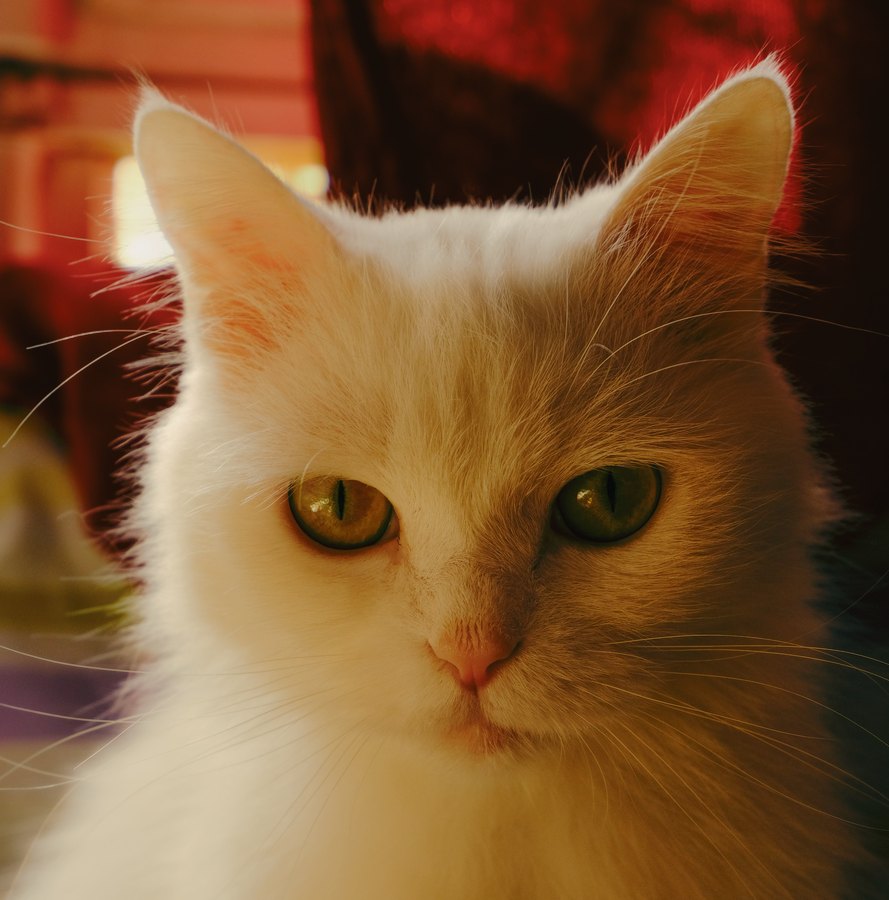
Fuji 400H
The discontinued cult wedding film: cool, minty greens and pale, airy skin.
4 renderings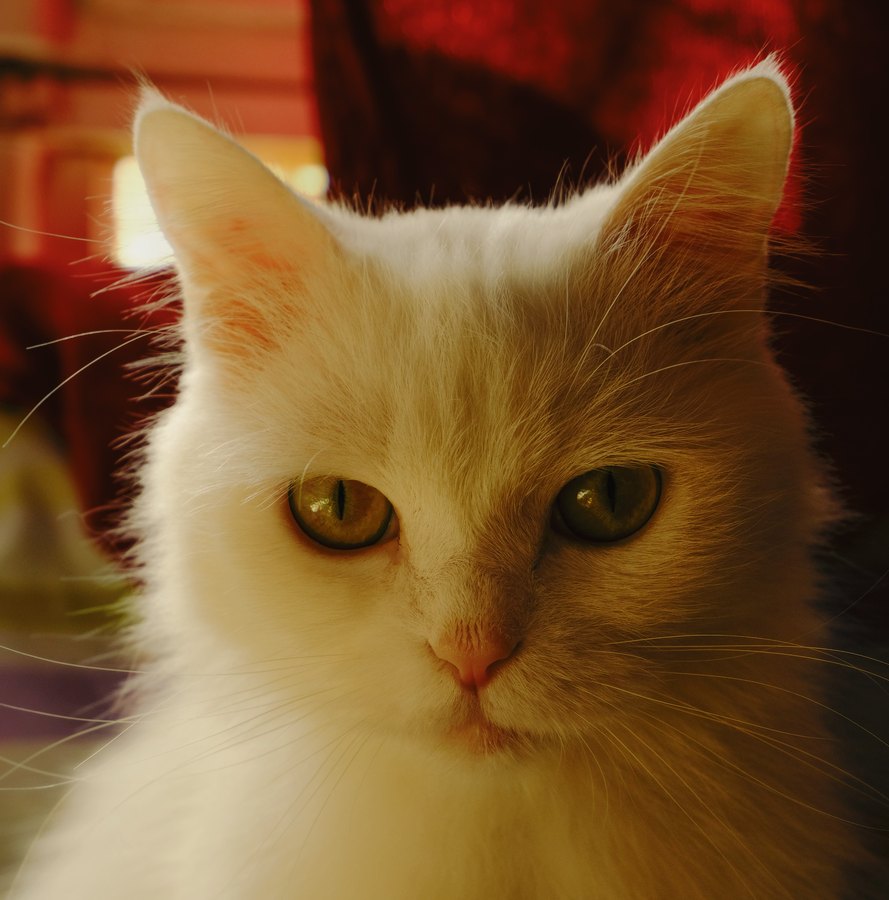
Fuji 800Z
Fuji's fast professional negative: cool, grainy and surprisingly clean in mixed light.
4 renderings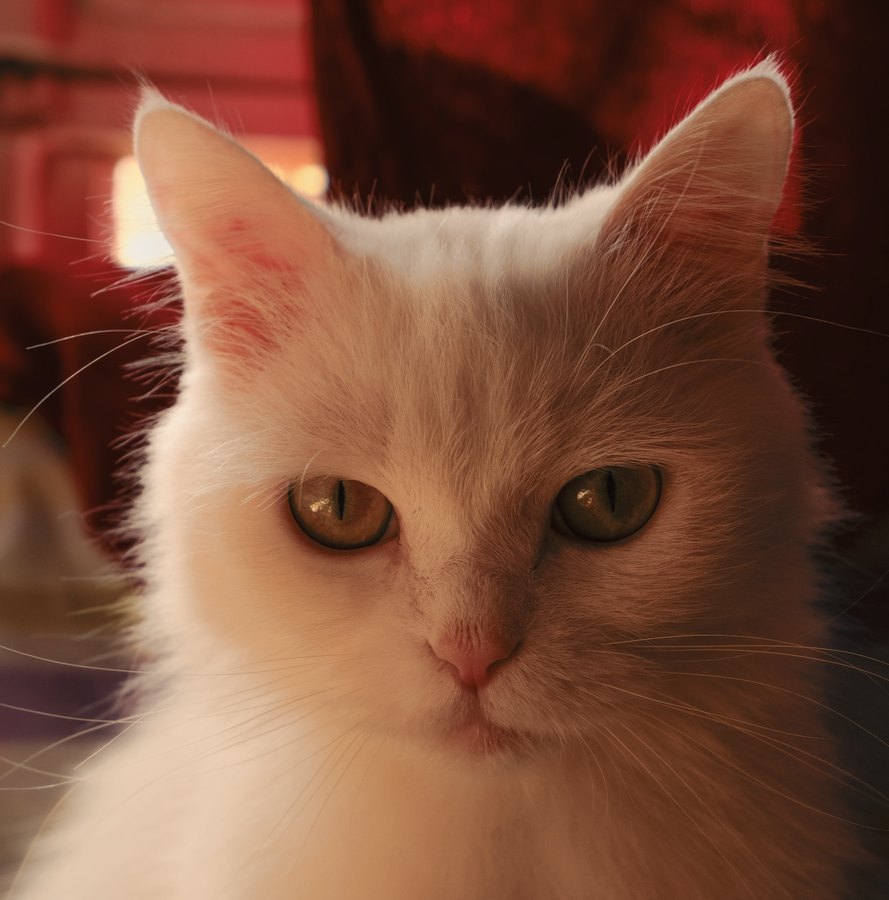
Fuji Astia 100F
The soft slide film — made specifically so slide contrast would not destroy skin.
2 renderings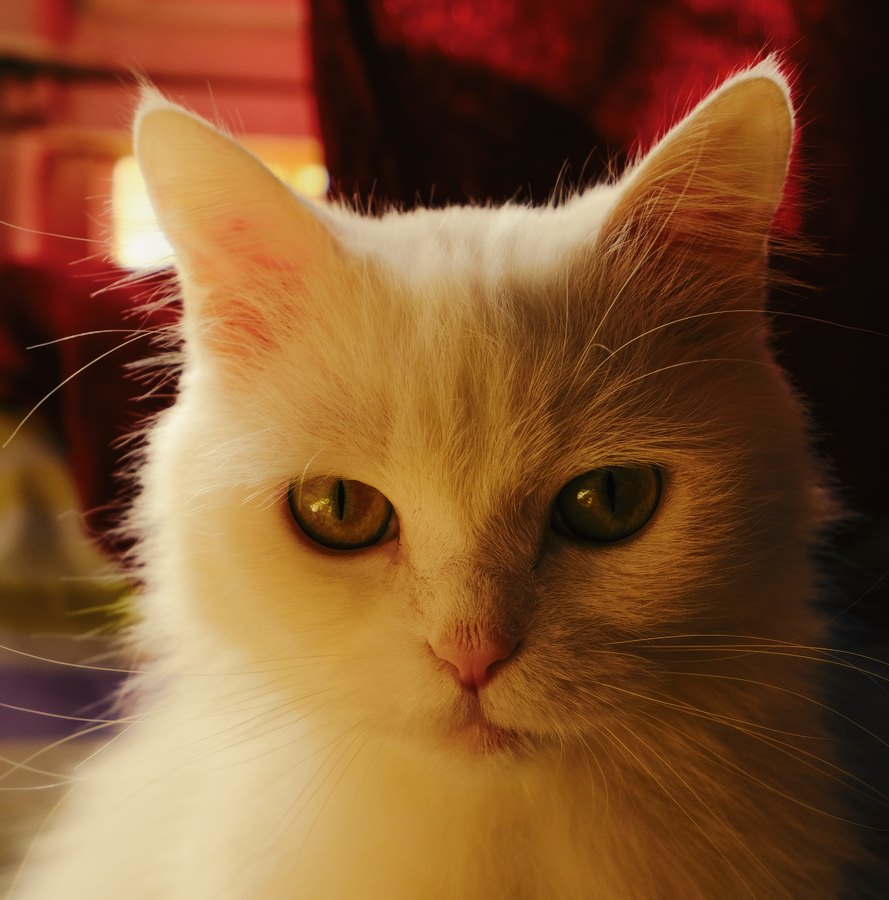
Fuji FP-100C
The last peel-apart colour film in production — cooler and cleaner than Polaroid's.
21 renderings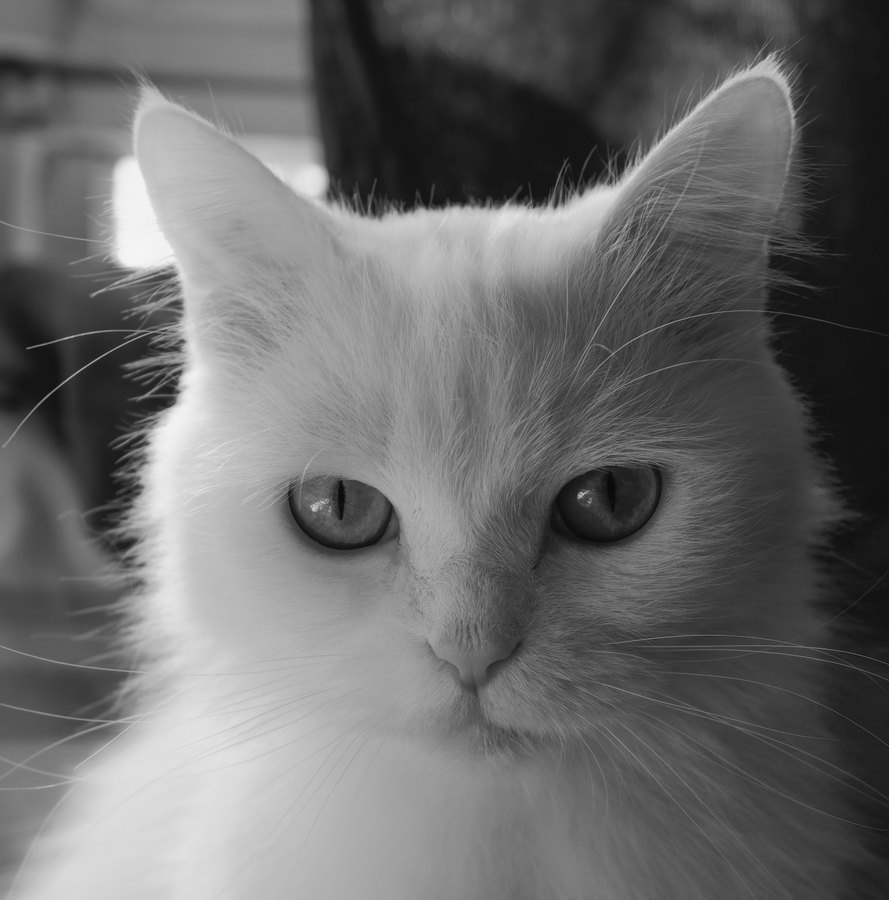
Fuji FP-3000B
Very fast peel-apart black and white film with striking contrast.
14 renderings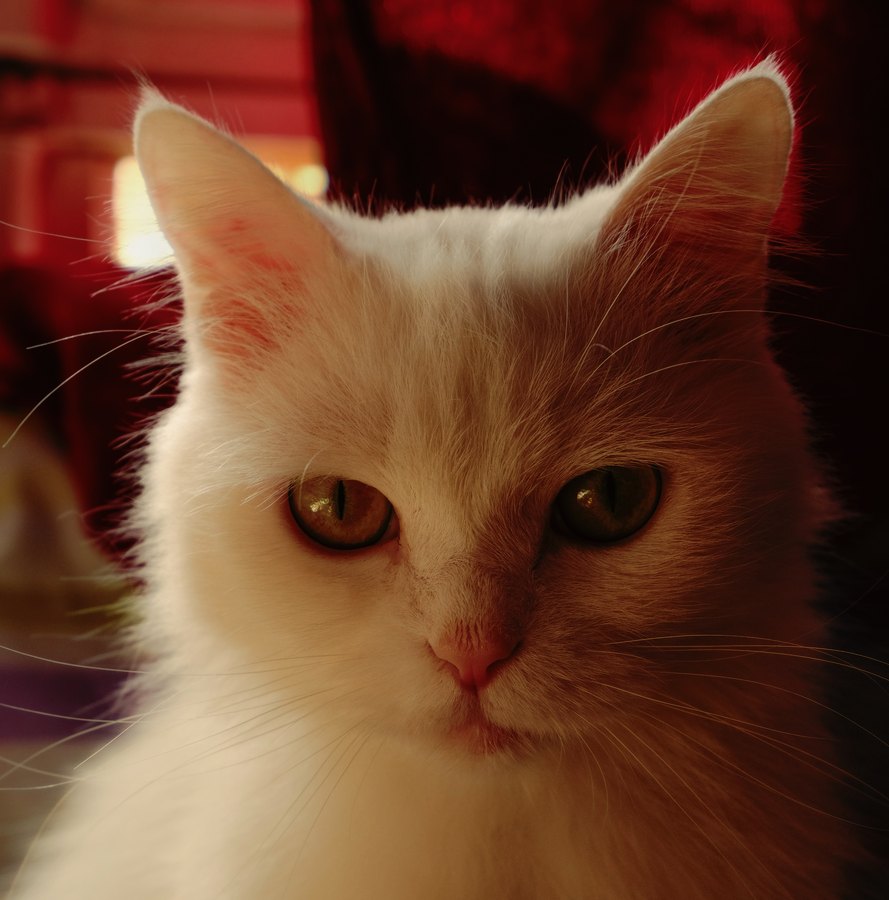
Fuji Velvia 50
The most saturated colour film ever widely sold — the landscape photographer's signature.
1 rendering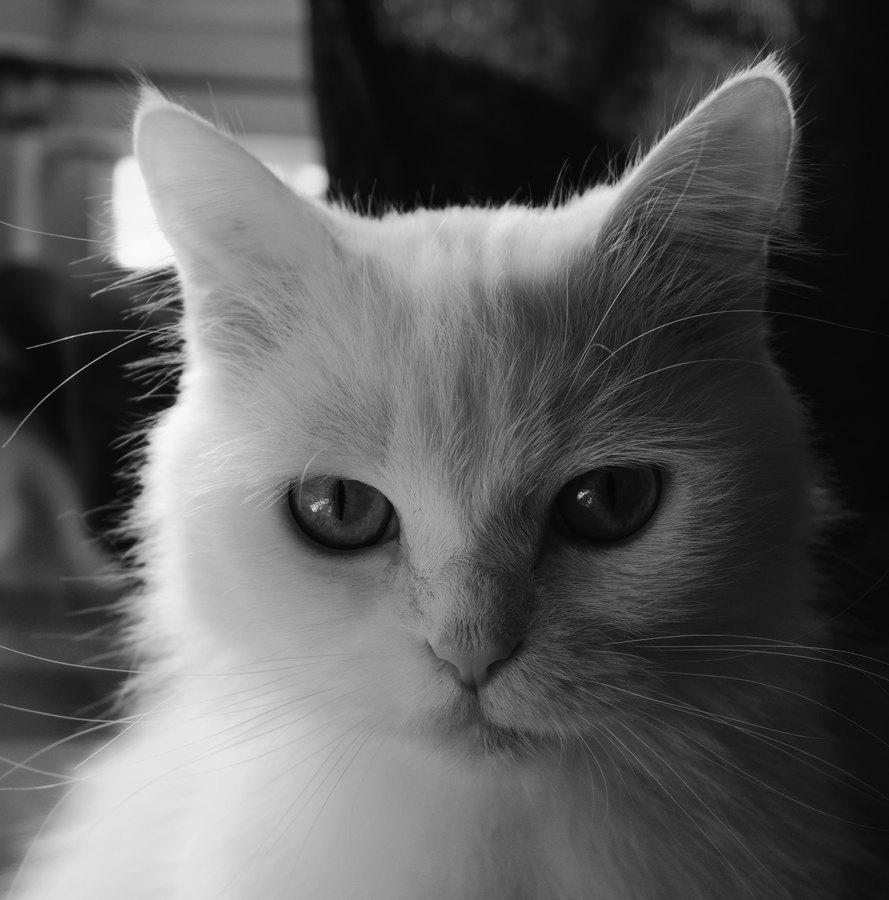
Fuji X-Trans III Acros
Fujifilm's premium monochrome simulation, with optional colour filters.
4 renderings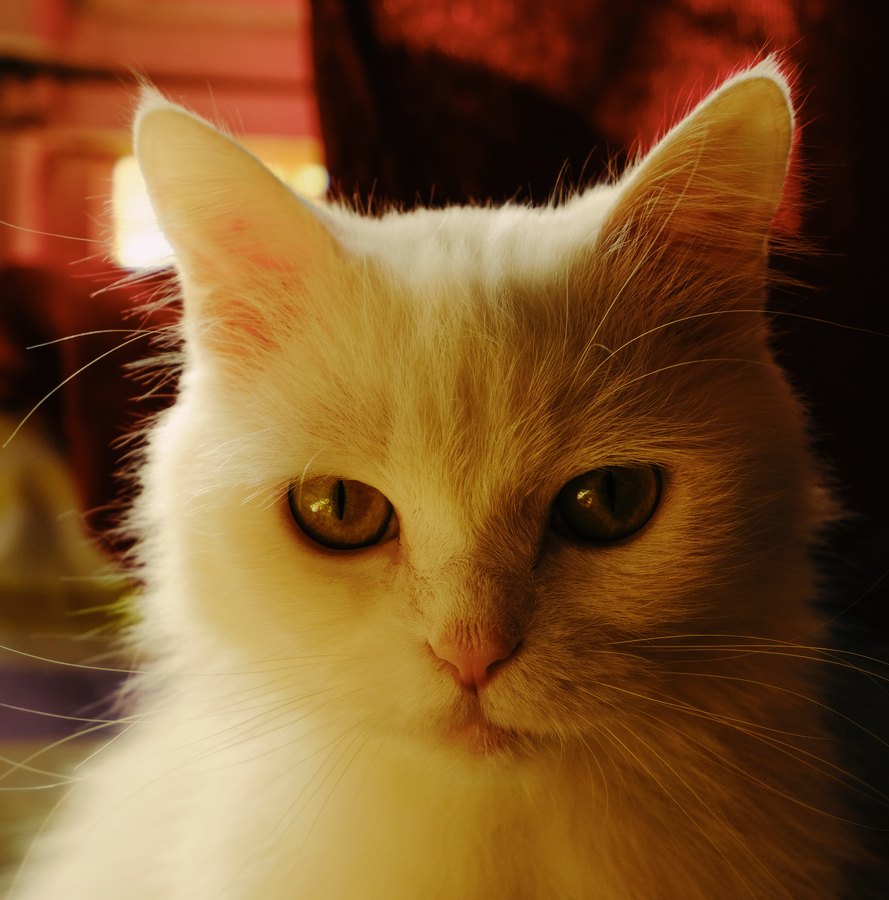
Fuji X-Trans III Astia
The soft simulation, modelled on Astia — gentle contrast for portraits.
1 rendering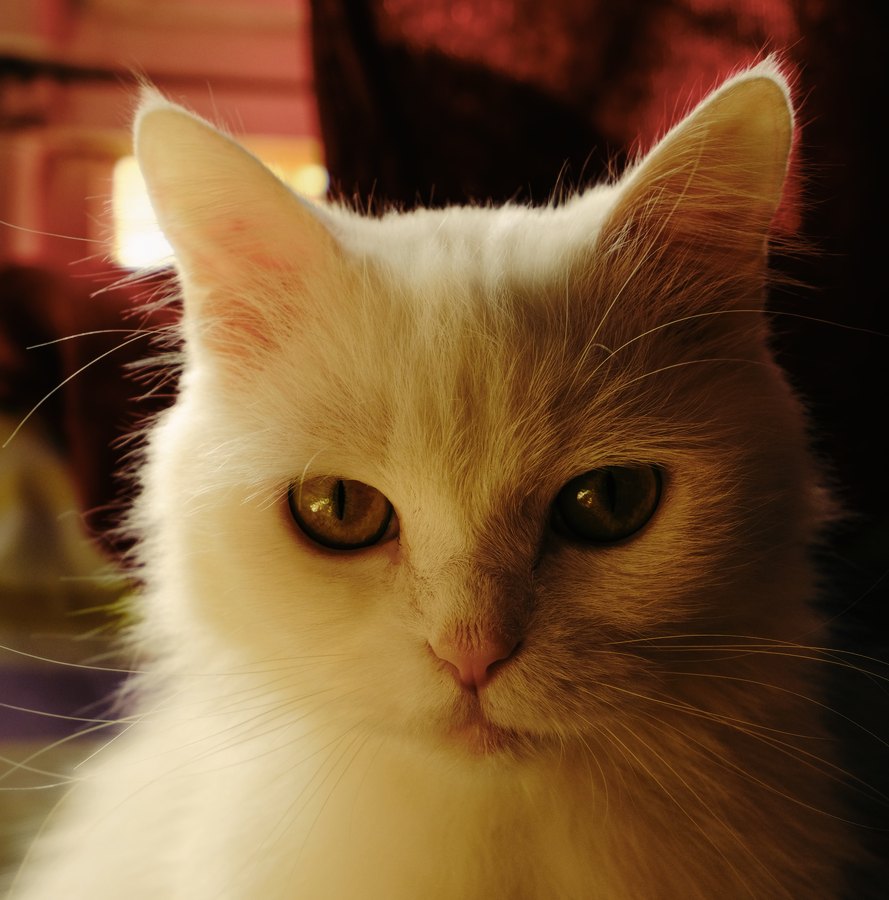
Fuji X-Trans III Pro Neg Hi
The higher-contrast Pro Neg variant for location portraiture.
1 rendering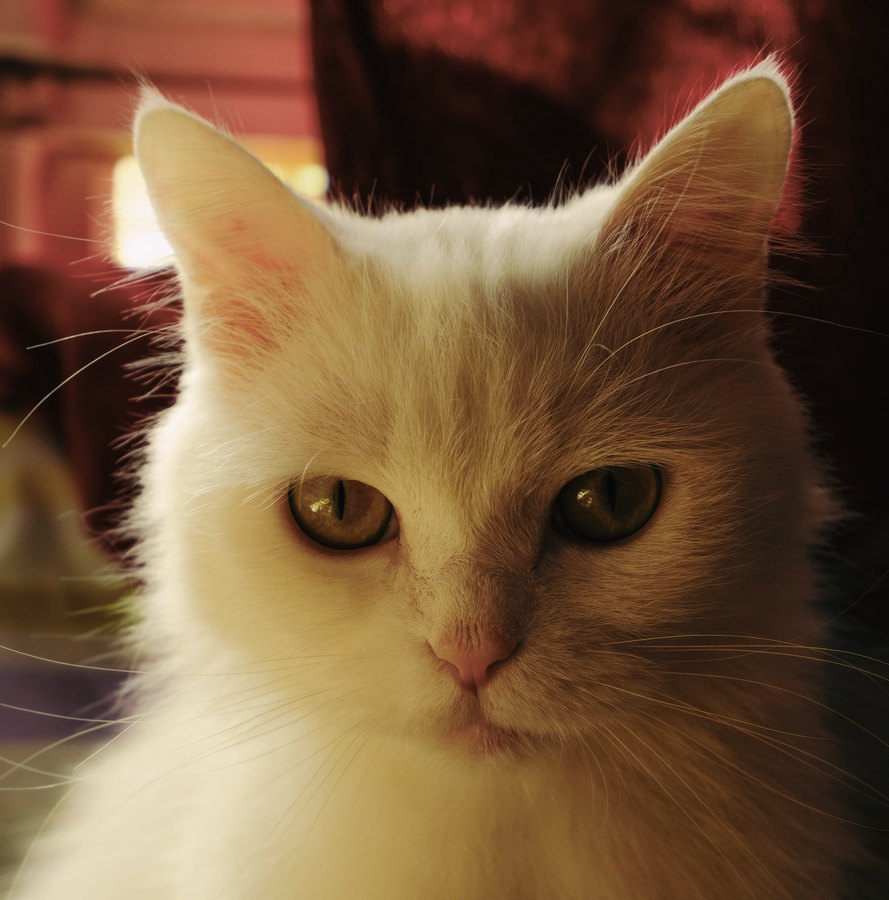
Fuji X-Trans III Pro Neg Std
A flat, neutral simulation modelled on professional portrait negative film.
1 rendering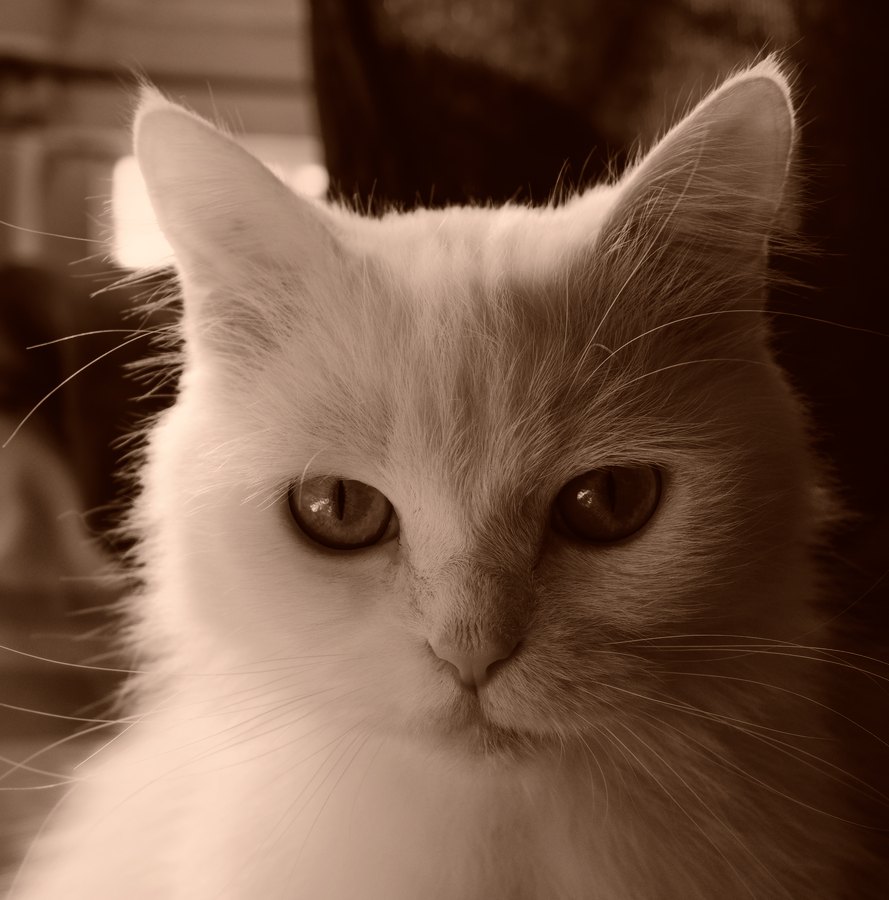
Fuji X-Trans III Sepia
A toned monochrome simulation with a warm brown cast.
1 rendering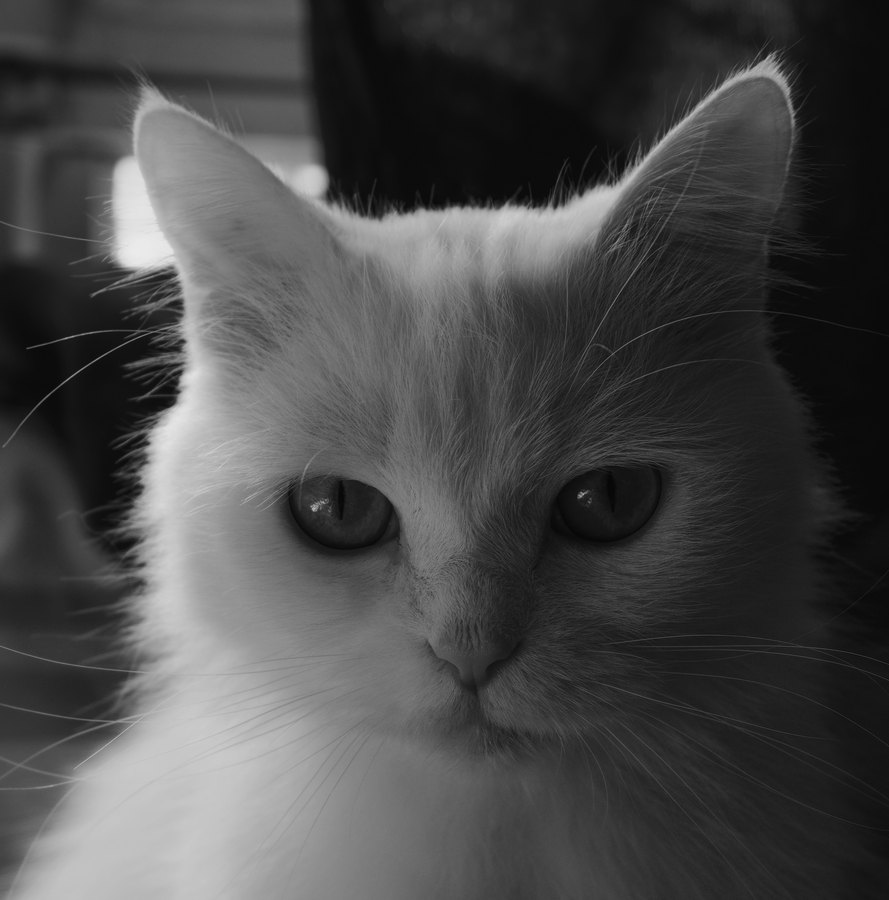
Ilford Delta 400
Tabular-grain 400 from Ilford: cleaner than HP5, warmer than T-Max.
1 rendering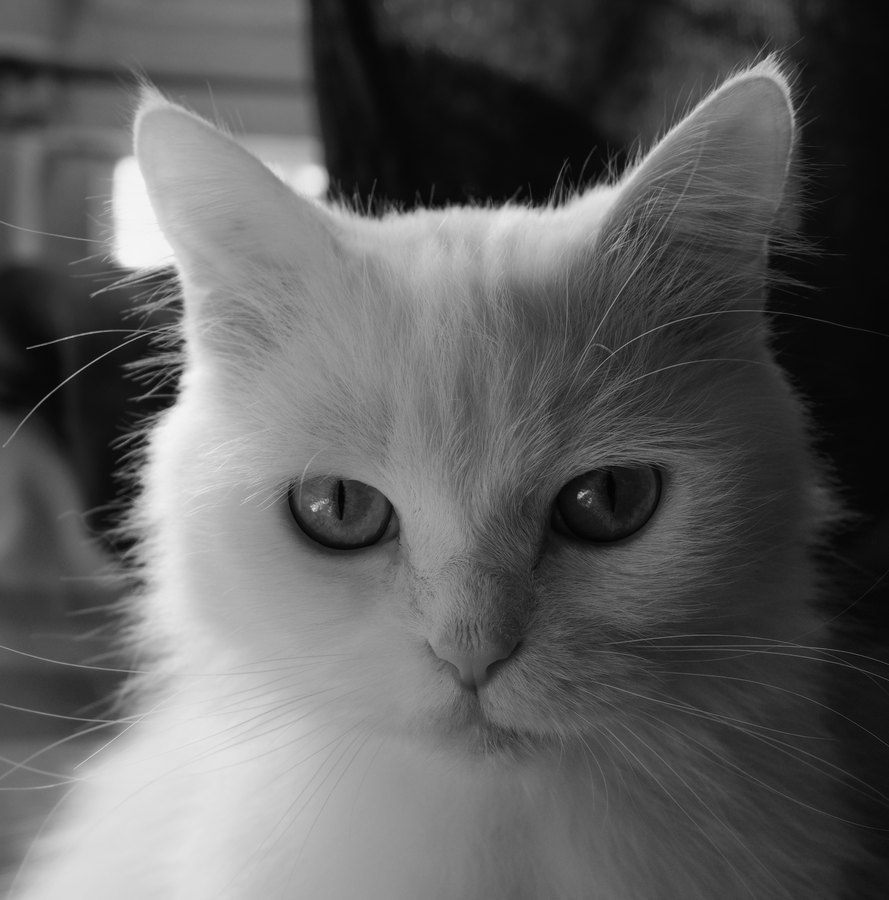
Ilford HP5 Plus 400
Tri-X's British counterpart — flatter, softer and easier to print.
5 renderings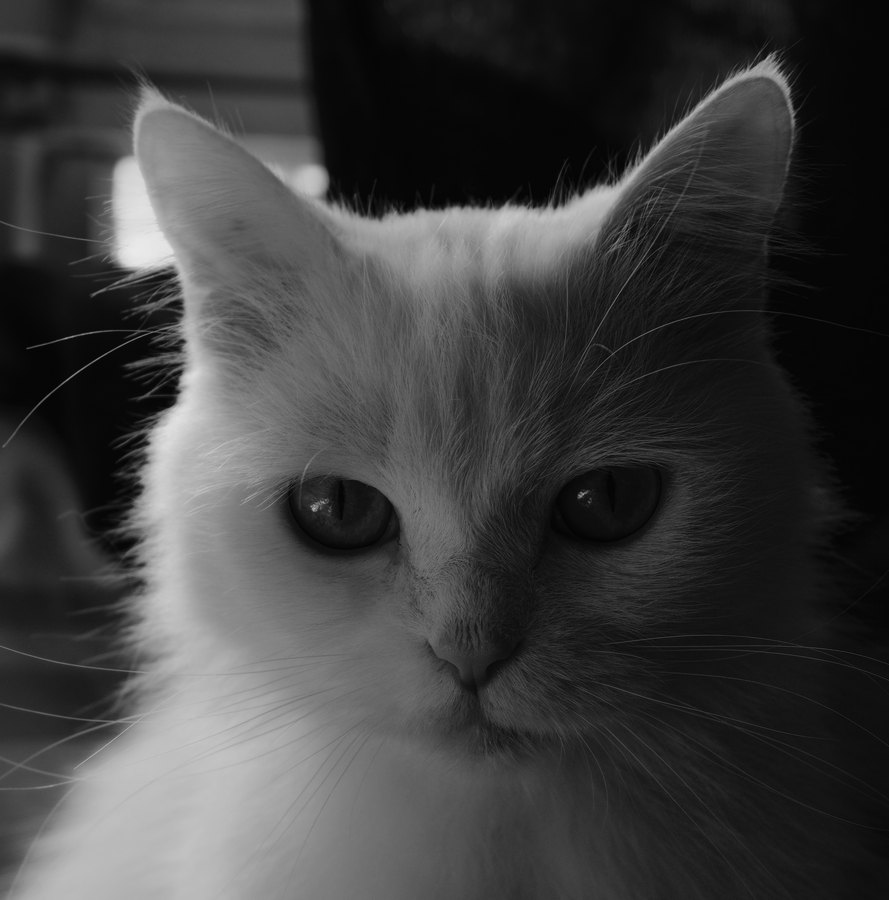
Ilford XP2
Black and white film developed in colour C-41 chemistry — unusually smooth and flat.
1 rendering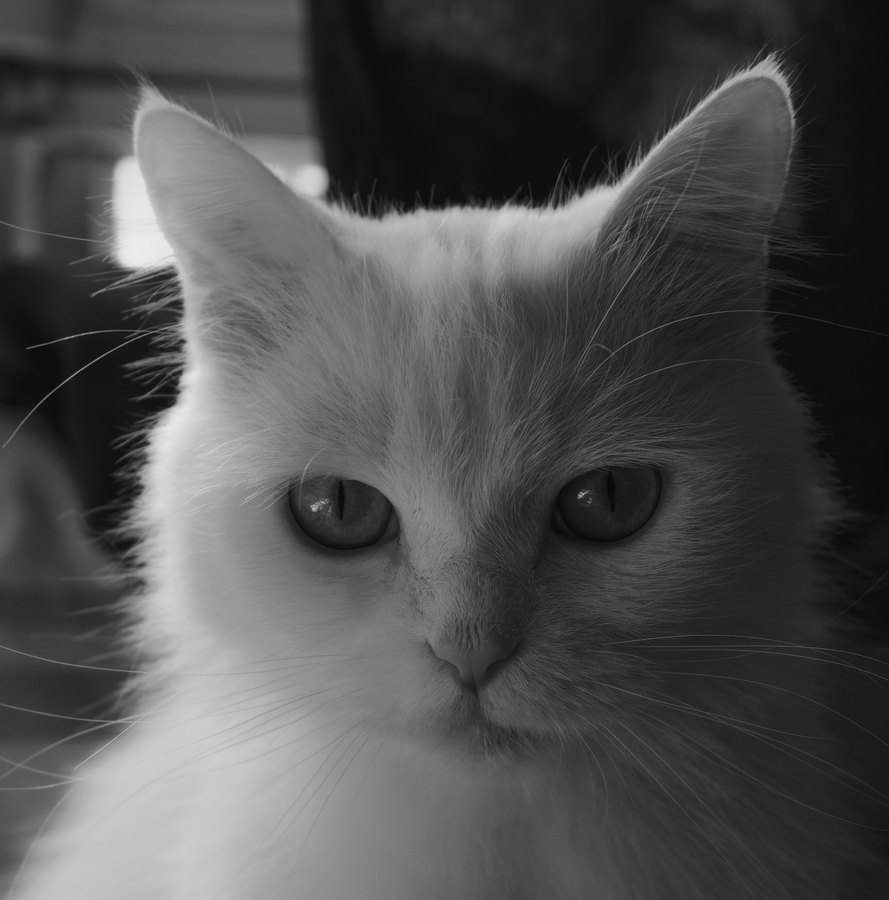
Kodak BW400CN
Kodak's chromogenic black and white film, with a warm sepia-leaning base.
1 rendering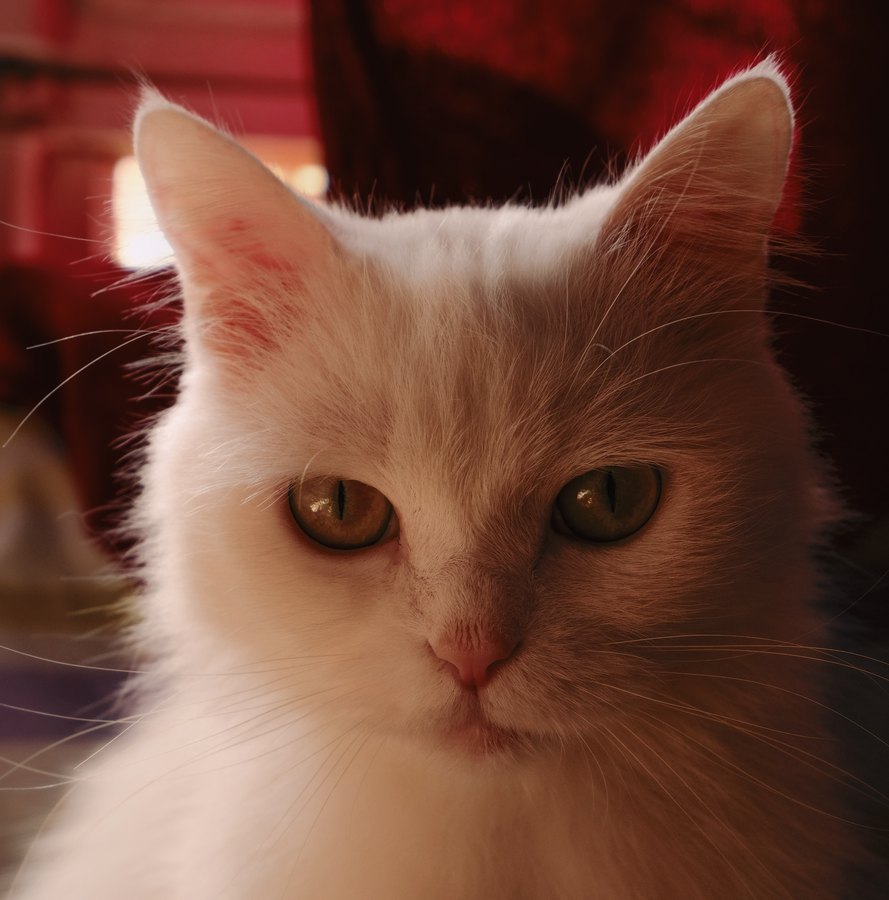
Kodak E100GX
Warm-balanced Ektachrome, made for portraits and skin under transparency contrast.
1 rendering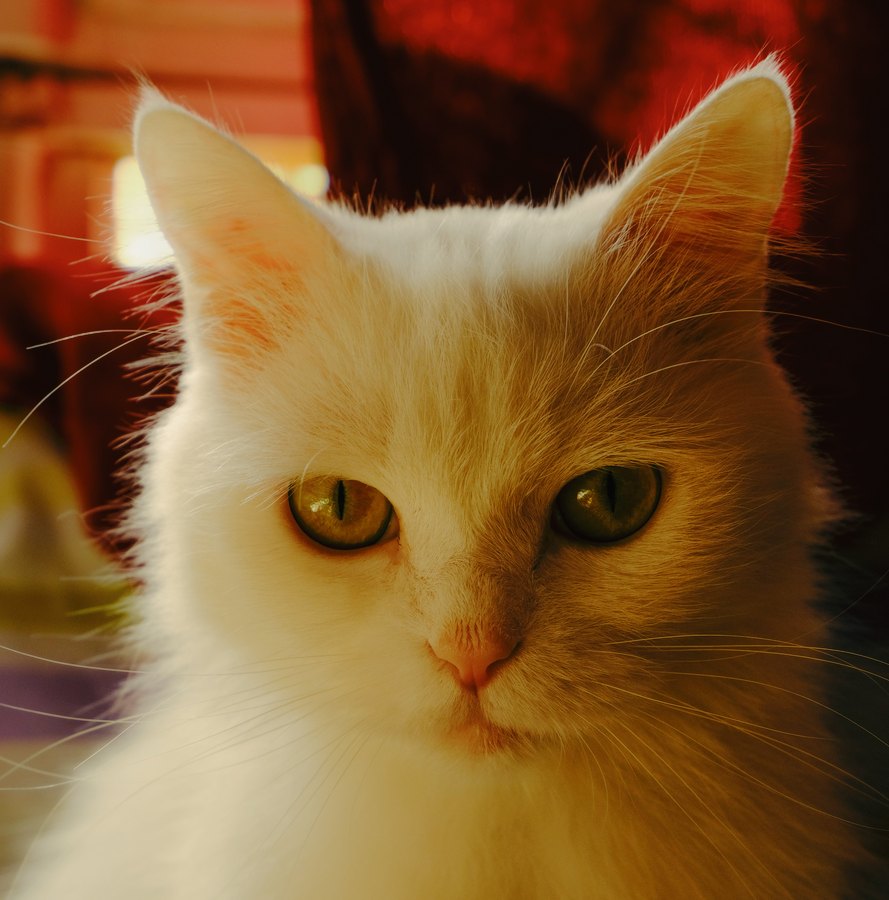
Kodak Portra 160
The finest-grained Portra: cooler, flatter and more neutral than its 400-speed sibling.
14 renderings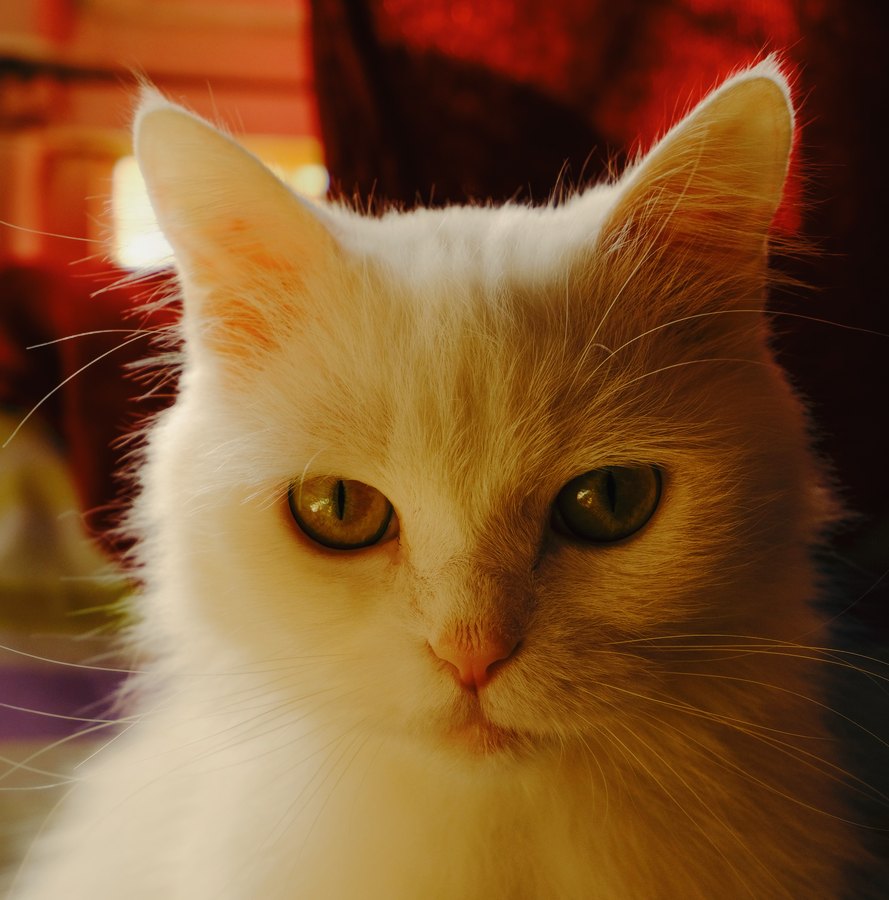
Kodak Portra 400
The default modern portrait film: warm, forgiving skin tones and a very long highlight roll-off.
16 renderings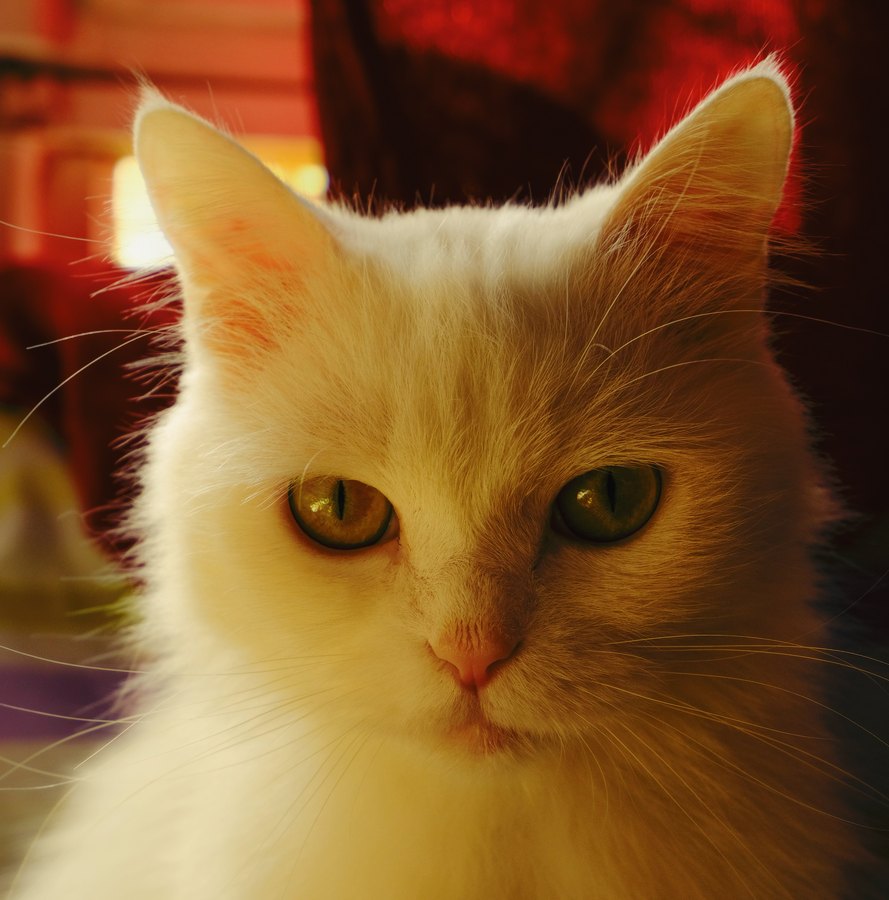
Kodak Portra 800
Portra colour rendering at ISO 800, with more contrast and visible grain.
5 renderings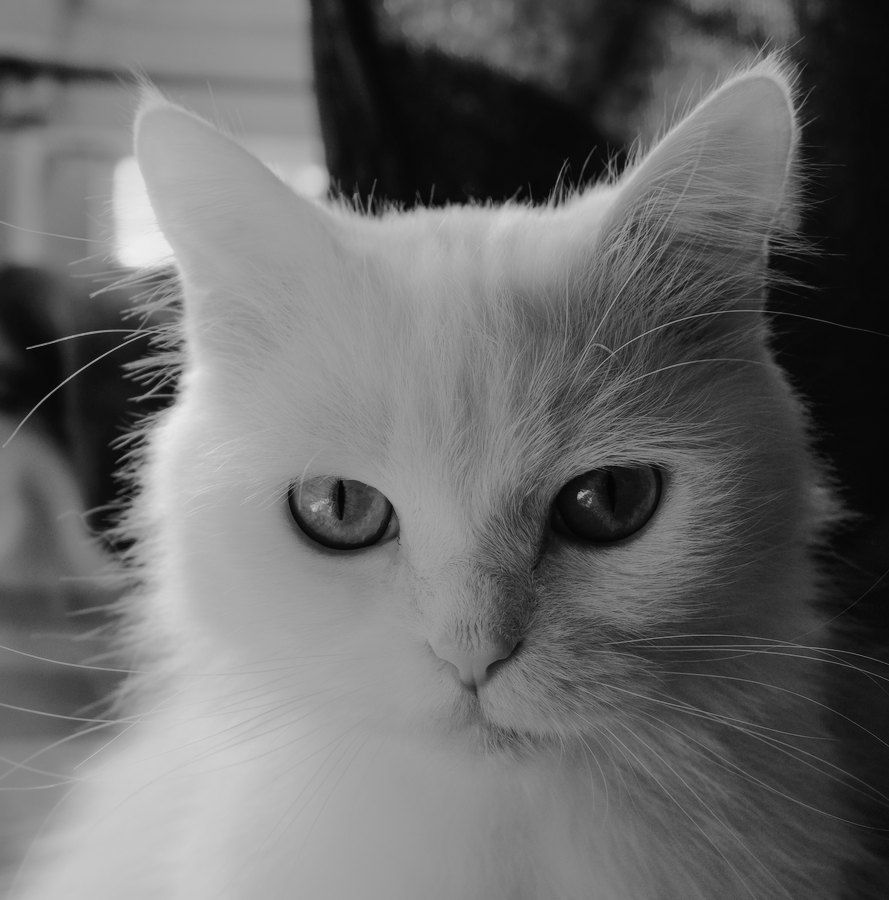
Polaroid 664
Peel-apart black and white pack film with medium contrast.
1 rendering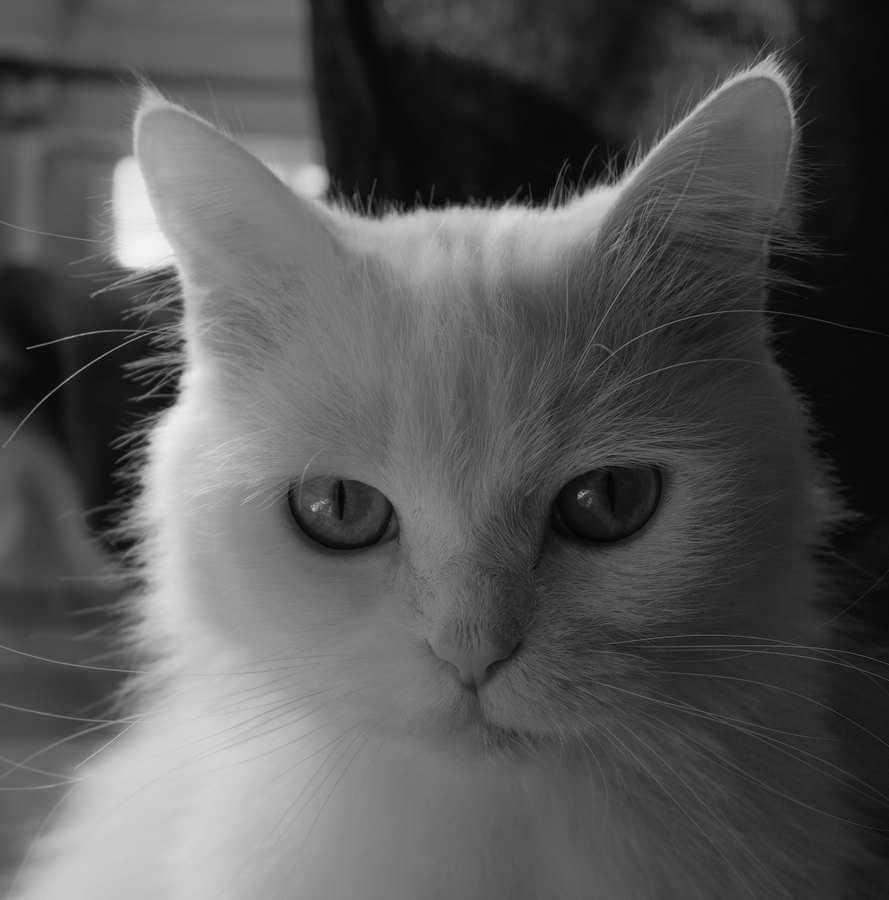
Polaroid 665
Peel-apart black and white film that produced a usable negative as well as a print.
9 renderings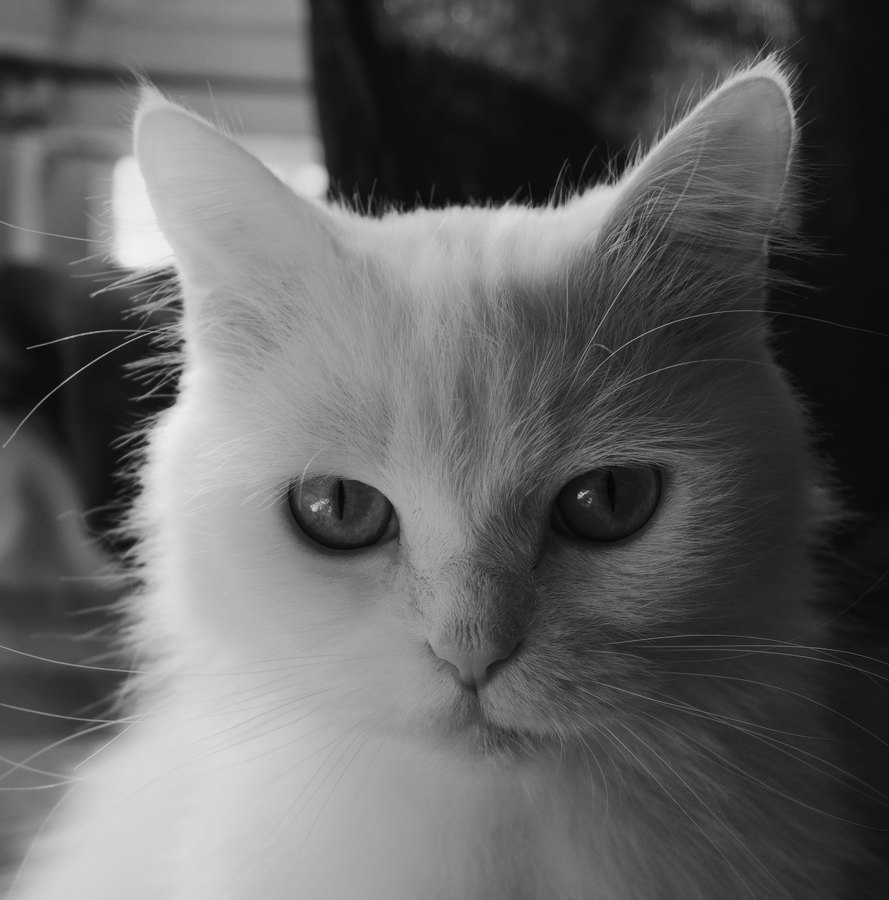
Polaroid 667
The very fast peel-apart black and white film used for lighting tests.
1 rendering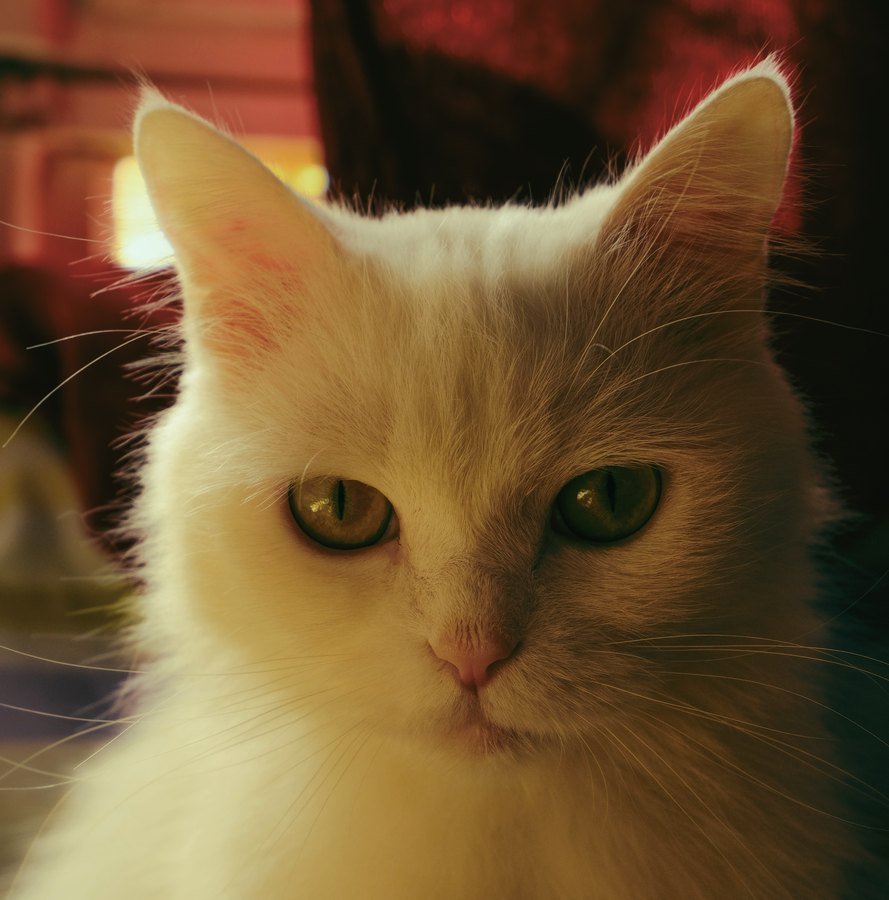
Polaroid 669
The standard professional peel-apart colour film — the classic Polaroid palette.
11 renderings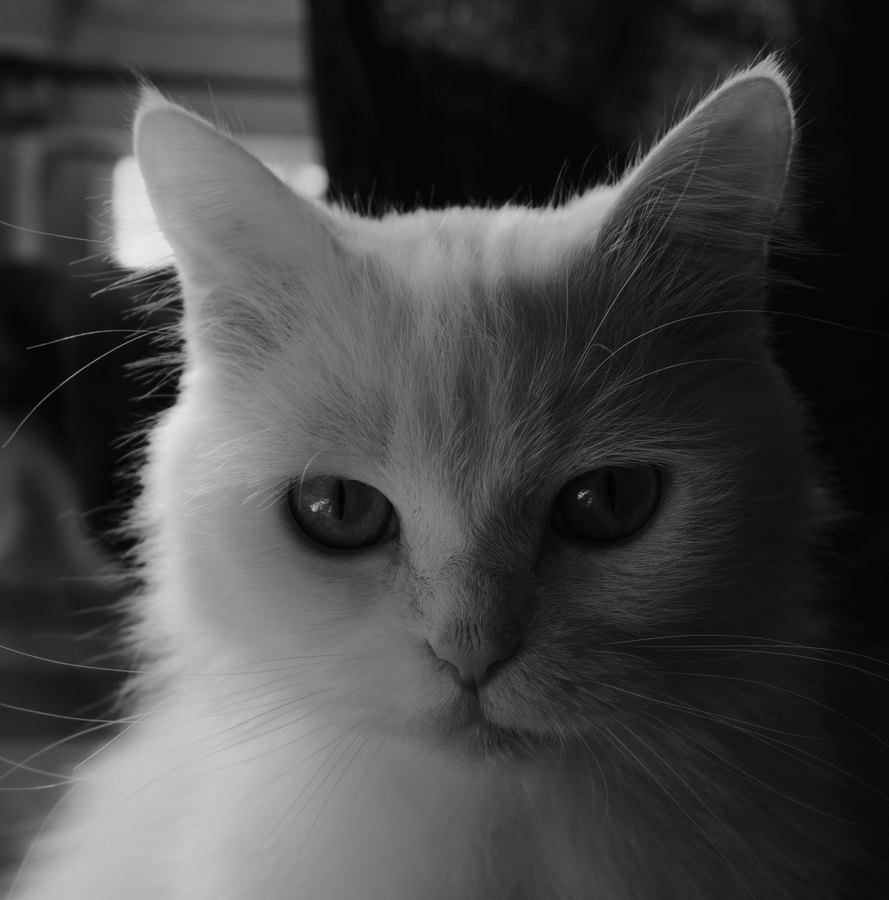
Polaroid 672
A medium-speed peel-apart black and white film.
1 rendering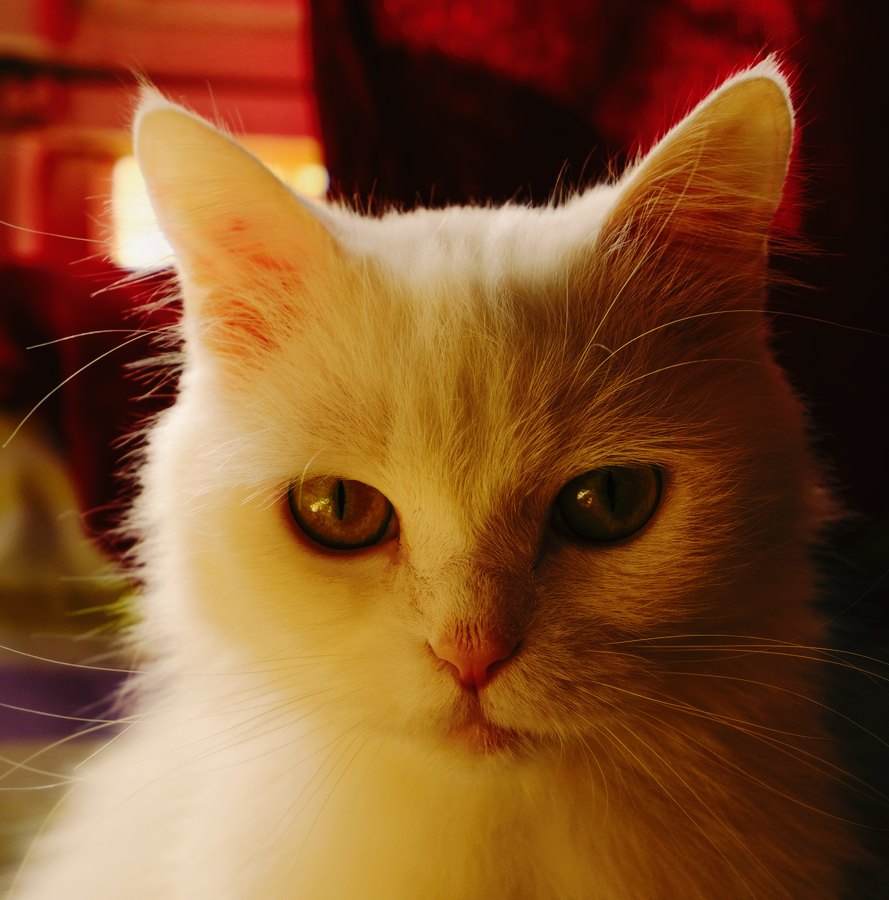
Polaroid 690
A higher-saturation peel-apart colour film — 669 with more punch.
16 renderings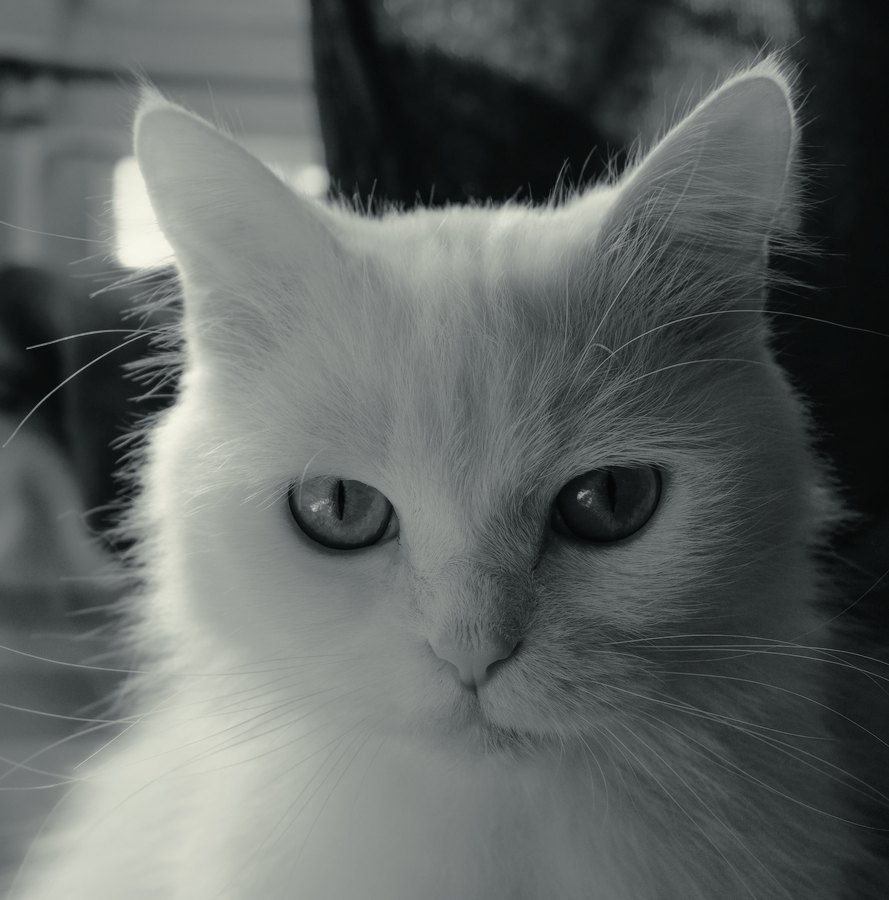
Polaroid Px-100Uv+
A monochrome-leaning Impossible emulsion with a strong tonal cast.
12 renderings
Polaroid Px-680
The 600-format Impossible colour film — slightly more contrast and colour than PX-70.
16 renderings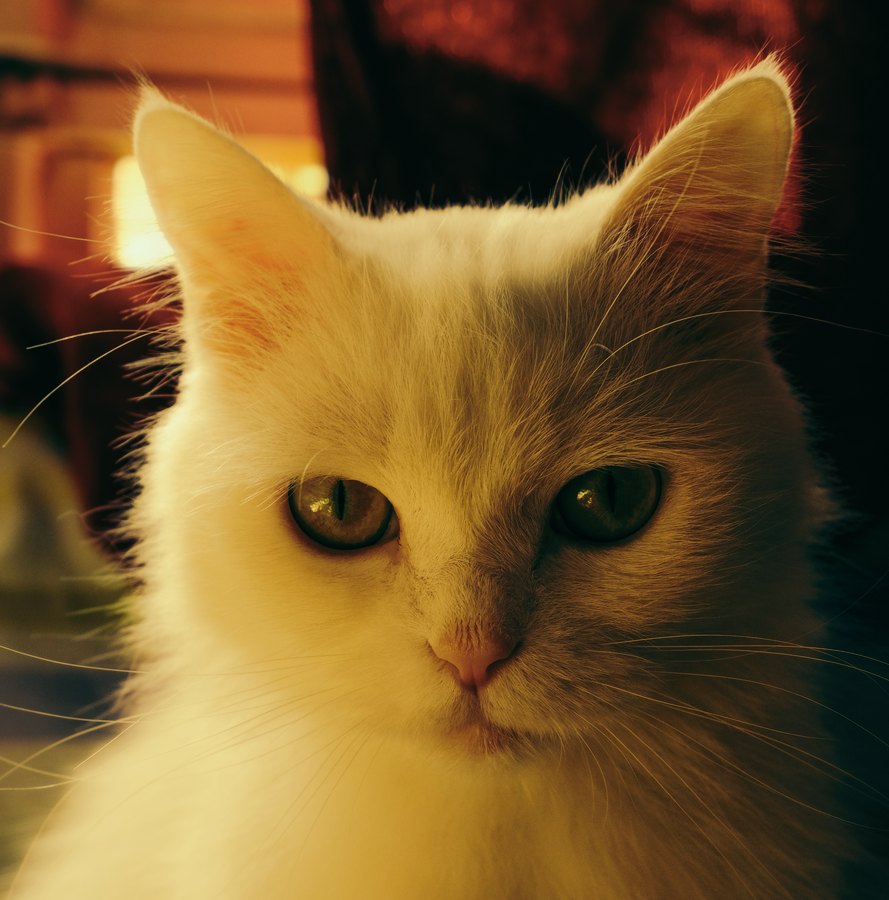
Polaroid Px-70
The first Impossible Project colour film for SX-70 cameras — soft, pastel and unpredictable.
16 renderings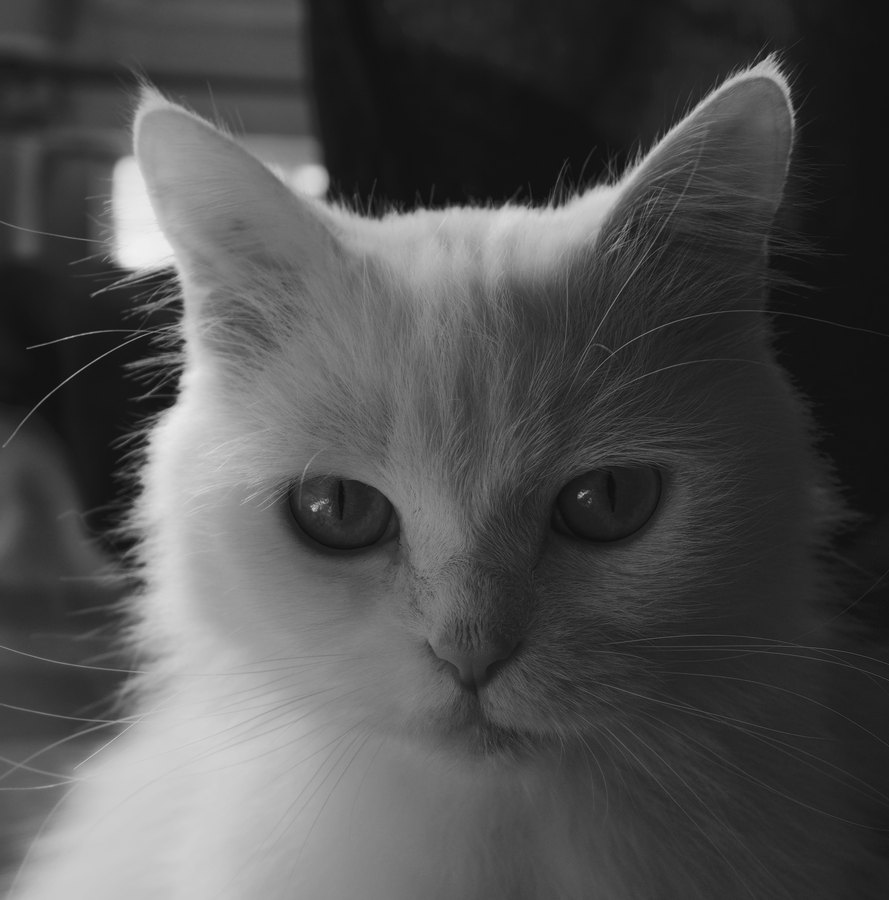
Rollei Retro 100 Tonal
A long-scale film built for gradation rather than punch.
1 rendering