Every film look in Filmgrid
87 film stocks, 296 renderings, all free to download as .cube files. Every one can be previewed on your own photo before you download anything.
Colour Negative Film
The most forgiving colour films: wide latitude, soft highlights, and the palettes behind most portrait and wedding photography.

Agfa Ultra Color 100
Agfa's extreme-saturation negative film — louder than most slide films.
1 rendering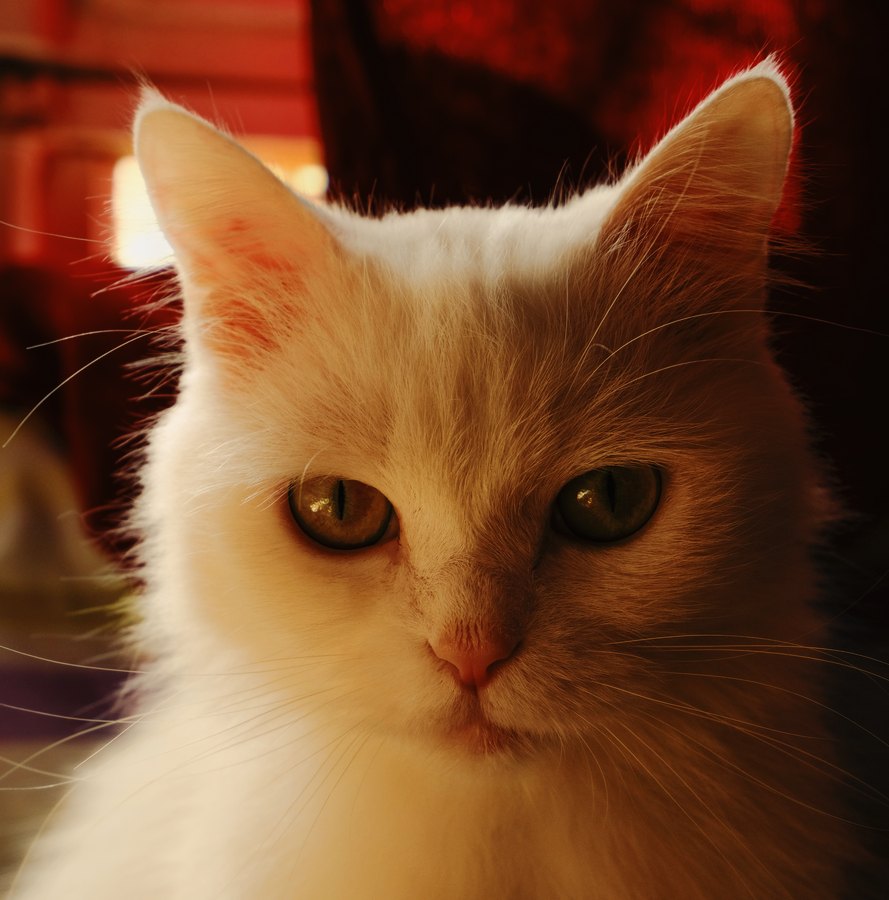
Agfa Vista 200
The budget European consumer film with unmistakably strong reds and magentas.
1 rendering
Fuji 160C
Fuji's neutral 160-speed professional negative — cooler and flatter than Kodak's equivalent.
4 renderings
Fuji 400H
The discontinued cult wedding film: cool, minty greens and pale, airy skin.
4 renderings
Fuji 800Z
Fuji's fast professional negative: cool, grainy and surprisingly clean in mixed light.
4 renderings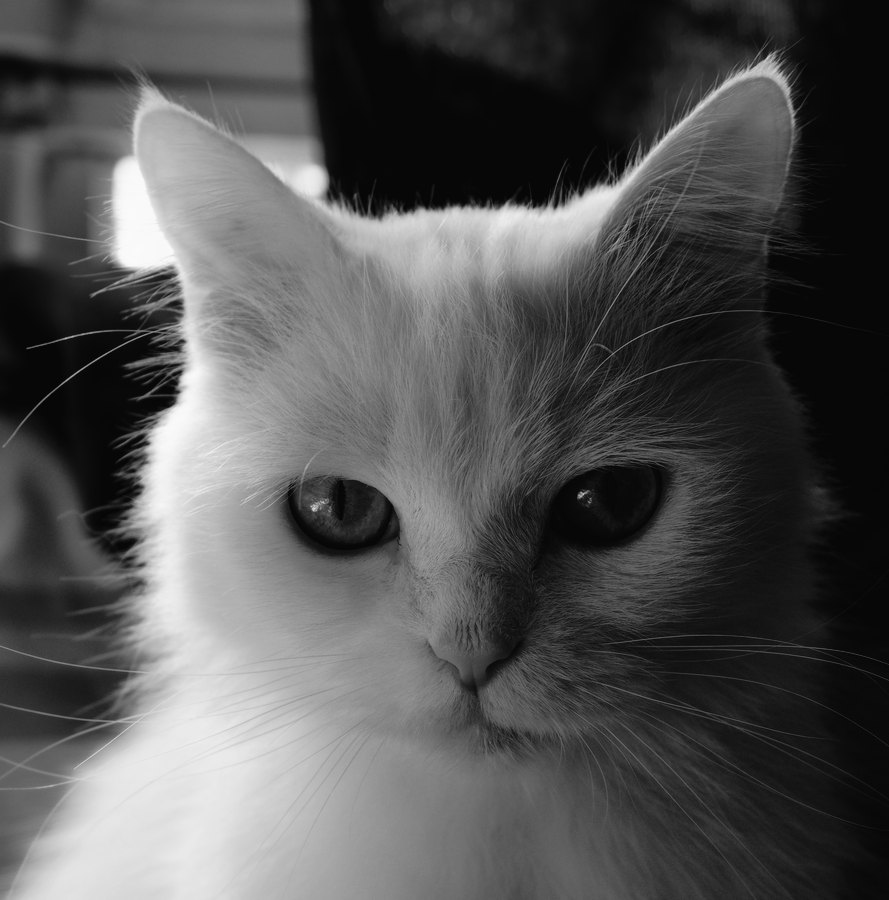
Fuji Neopan 1600
A fast Japanese emulsion with tighter grain than its western rivals.
5 renderings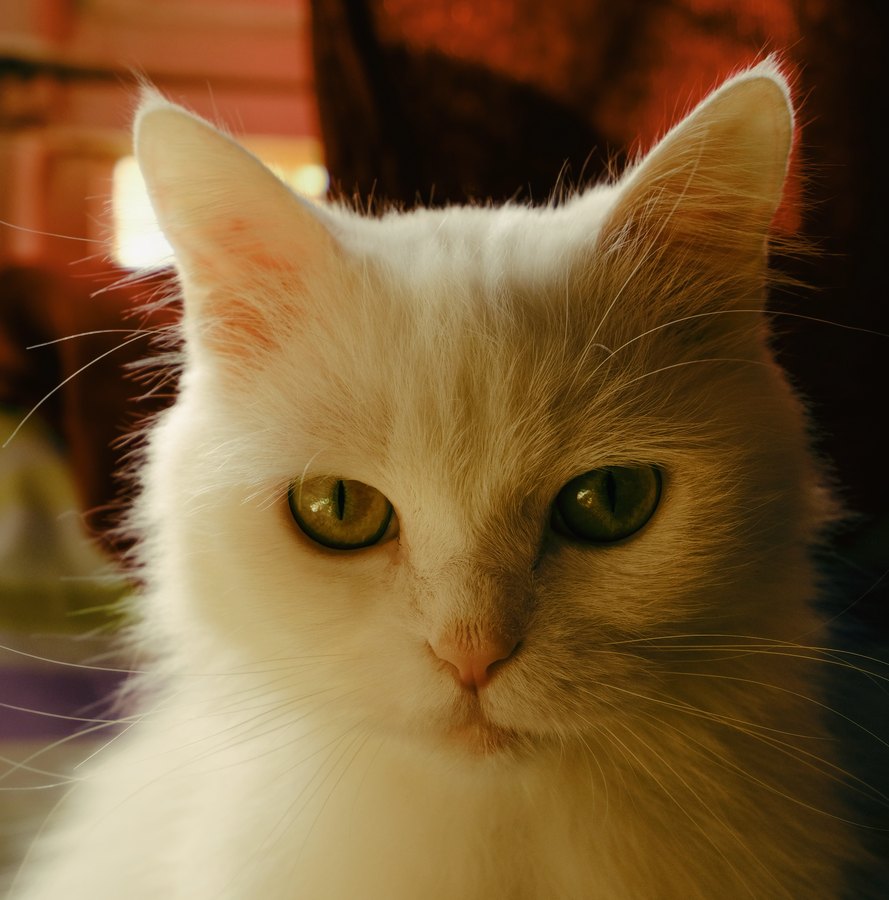
Fuji Superia 100
The slowest Superia: the same green-forward palette with finer grain and more contrast.
4 renderings
Fuji Superia 1600
Very fast consumer negative — heavy grain, compressed colour, strong night-time character.
4 renderings
Fuji Superia 200
The everyday drugstore Fuji look: bright greens, cool shadows, cheerful contrast.
1 rendering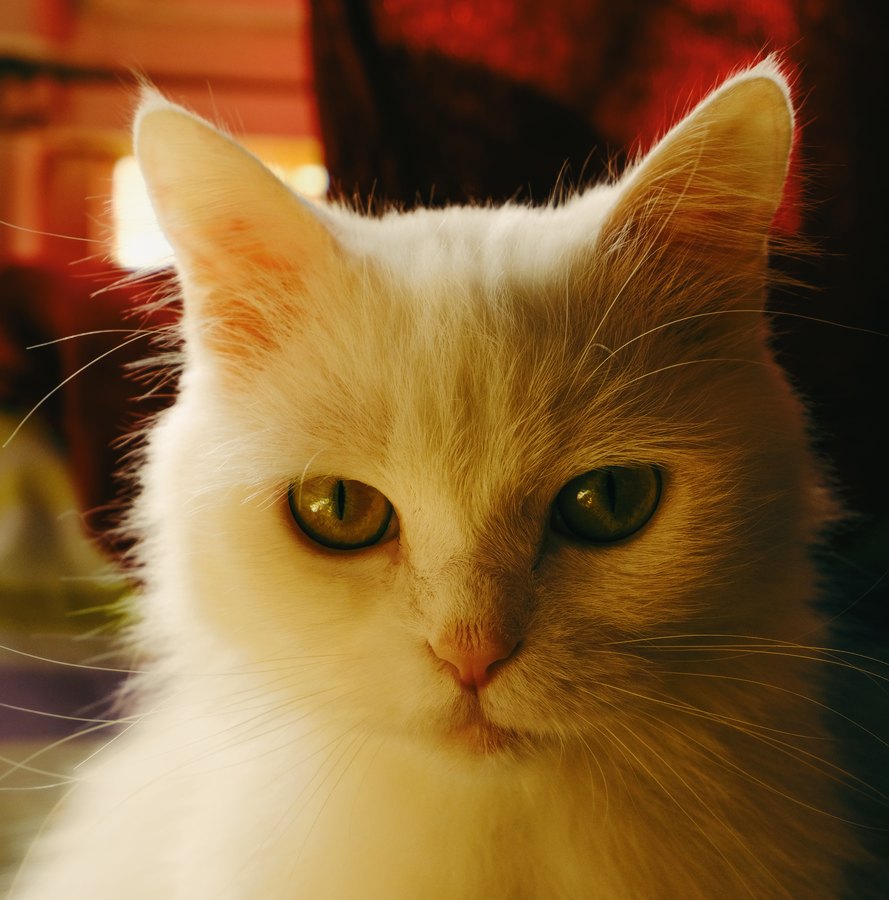
Fuji Superia 400
The workhorse consumer Superia — green-forward colour with usable grain at ISO 400.
4 renderings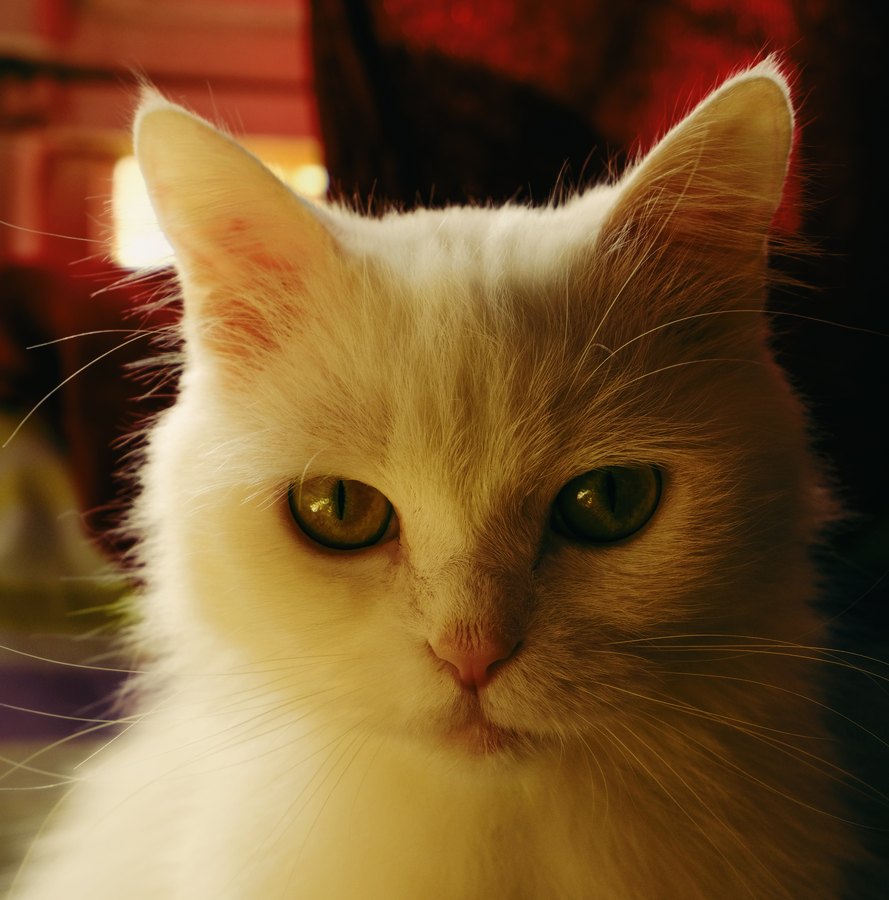
Fuji Superia 800
Fast consumer Superia: grainier, contrastier, still unmistakably green-cool.
4 renderings
Fuji Superia HG 1600
An earlier high-speed Fuji emulsion with coarser grain and cooler colour.
1 rendering
Fuji Superia Reala 100
Fuji's fourth-layer emulsion, built for accurate colour under mixed and fluorescent light.
1 rendering
Fuji Superia X-Tra 800
The surviving fast Superia, built around Fuji's fourth-layer technology.
1 rendering
Ilford Delta 3200
The classic fast black and white film — enormous grain, unmistakable atmosphere.
5 renderings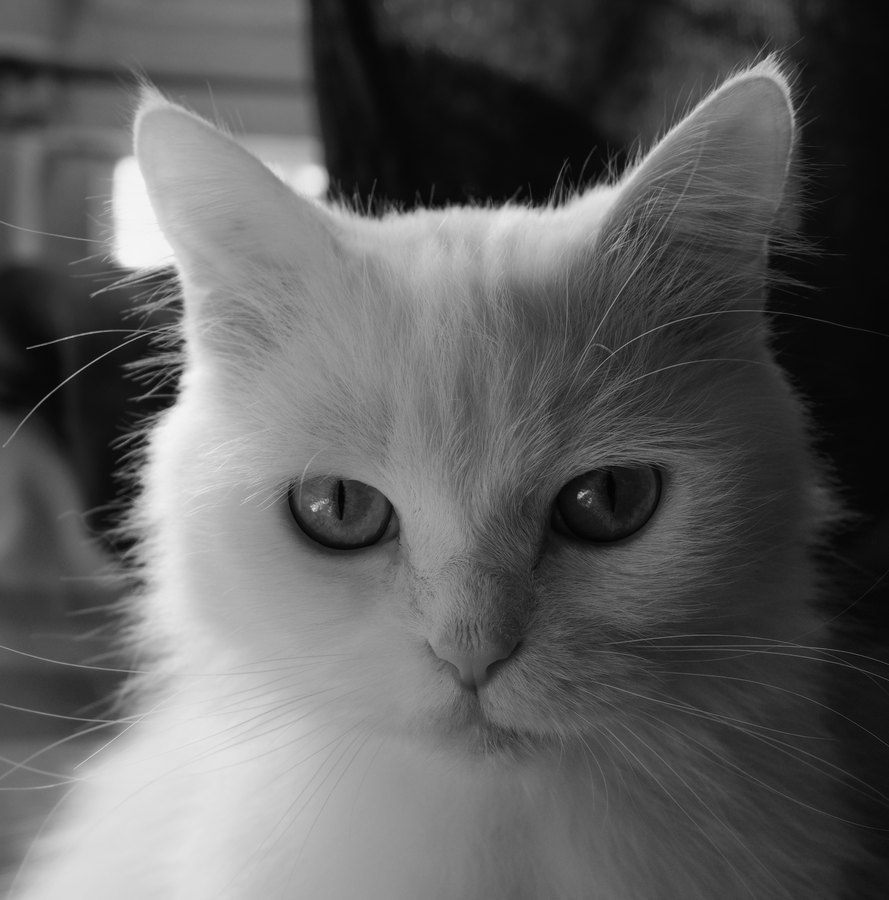
Ilford HP5 Plus 400
Tri-X's British counterpart — flatter, softer and easier to print.
5 renderings
Kodak Ektar 100
The most saturated colour negative film Kodak makes — slide-film punch with negative latitude.
1 rendering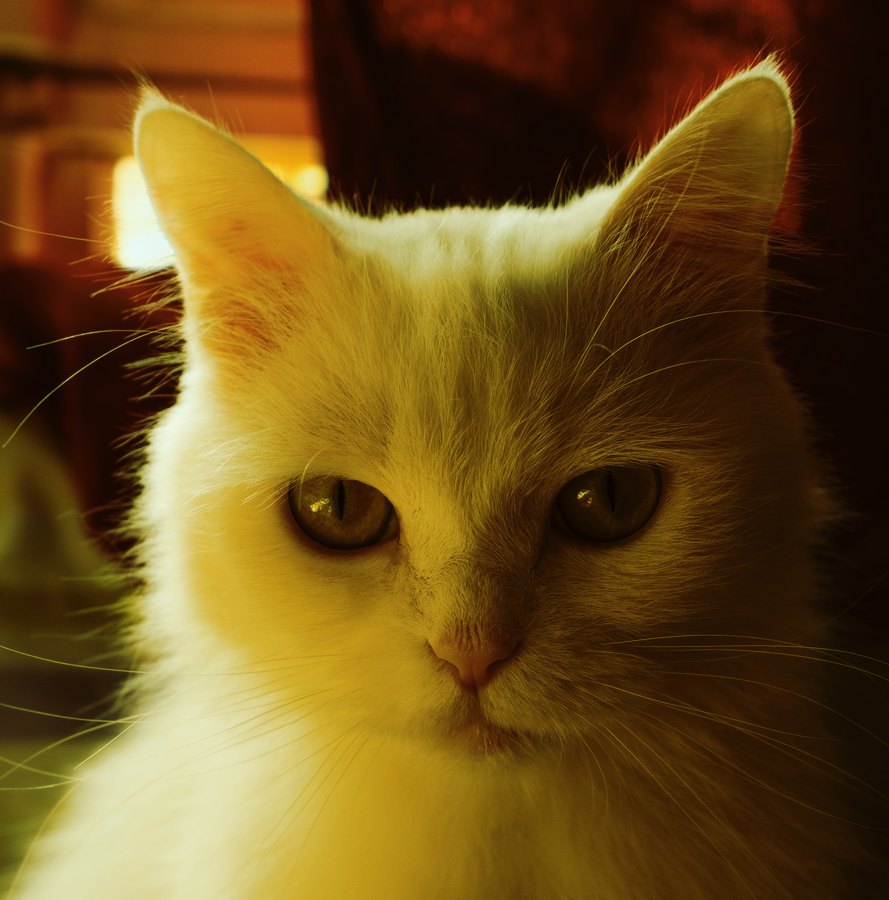
Kodak Elite 100 X-Pro
Elite Chrome cross-processed in C-41 — shifted, clashing colour by design.
1 rendering
Kodak Elite Color 200
Kodak's saturated consumer negative — Gold's warmth with the contrast pushed up.
1 rendering
Kodak Elite Color 400
The 400-speed Elite Color: same golden warmth, more grain and contrast.
1 rendering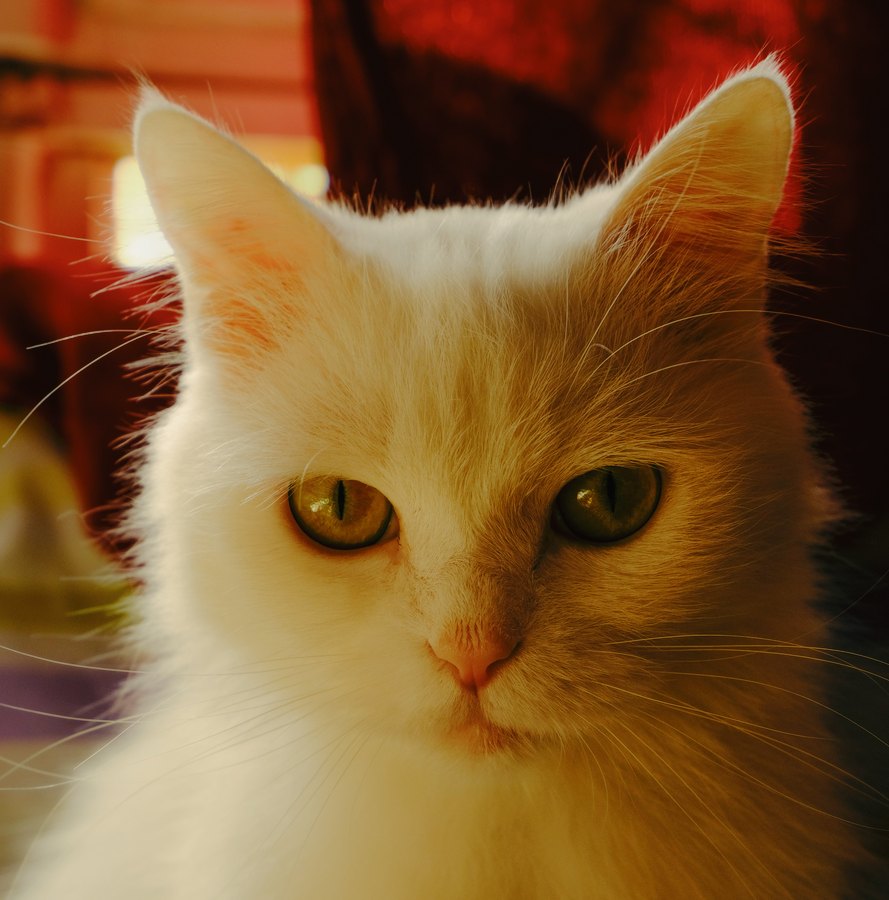
Kodak Portra 160
The finest-grained Portra: cooler, flatter and more neutral than its 400-speed sibling.
14 renderings
Kodak Portra 400
The default modern portrait film: warm, forgiving skin tones and a very long highlight roll-off.
16 renderings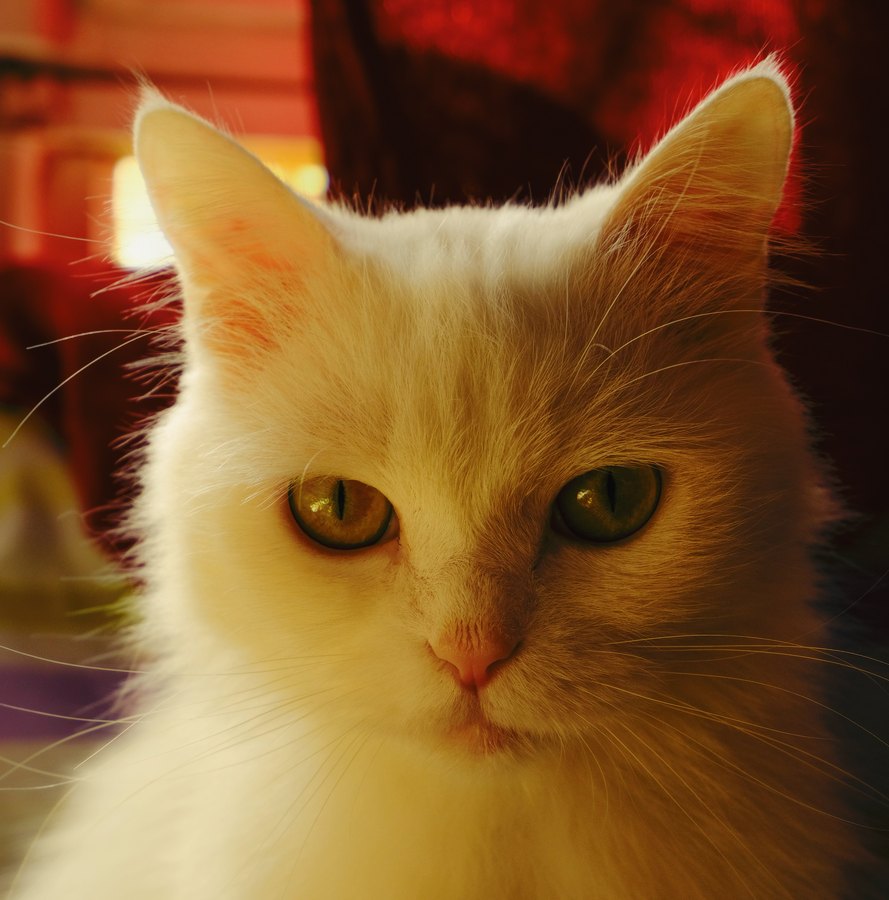
Kodak Portra 800
Portra colour rendering at ISO 800, with more contrast and visible grain.
5 renderings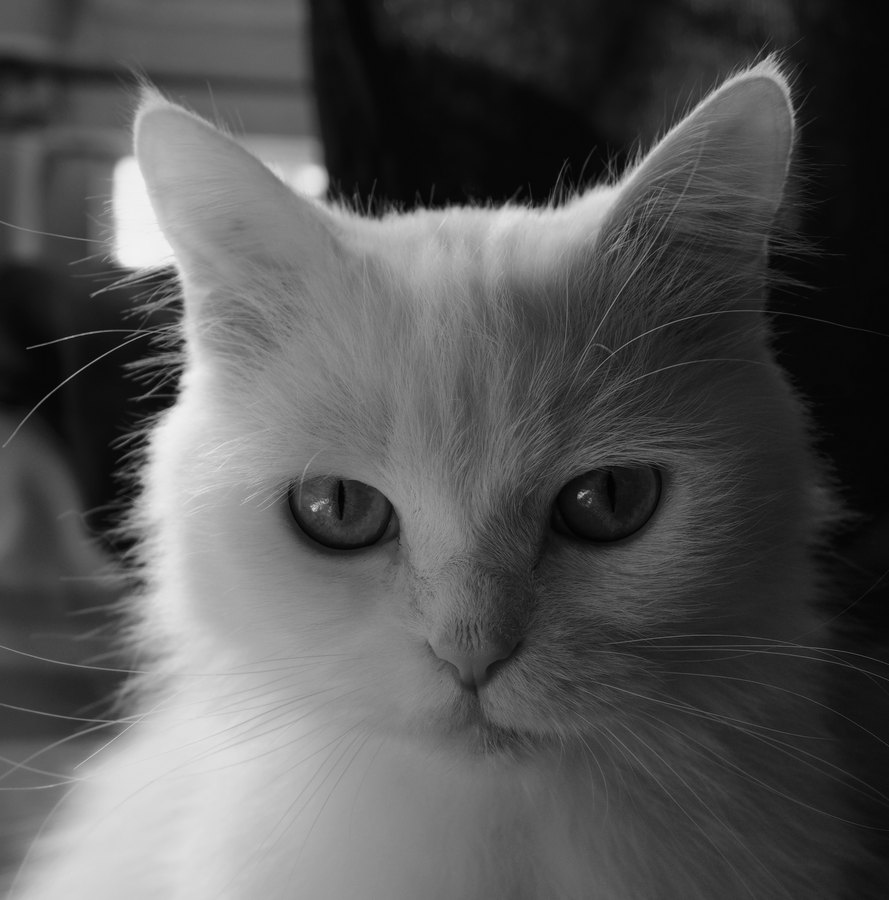
Kodak T-Max 3200
The fast T-grain film — big grain, low contrast, built for the dark.
6 renderings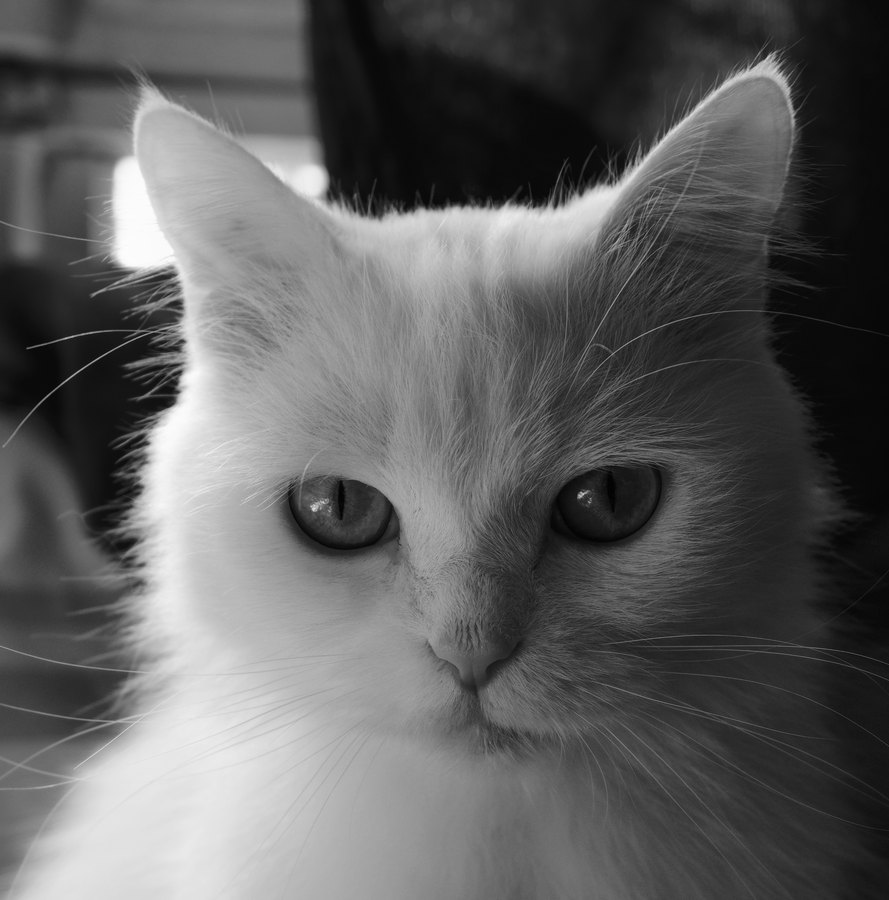
Kodak Tri-X 400
The definitive photojournalism film: gritty grain, deep blacks, enormous latitude.
6 renderings
Lomography Redscale 100
Film loaded backwards so light hits the base first — everything turns red and orange.
1 renderingSlide & Transparency Film
Positive film with high contrast, strong colour and almost no exposure latitude — the look of published landscape work.

Agfa Precisa 100
Agfa's consumer slide film, famous mostly for how it cross-processes.
1 rendering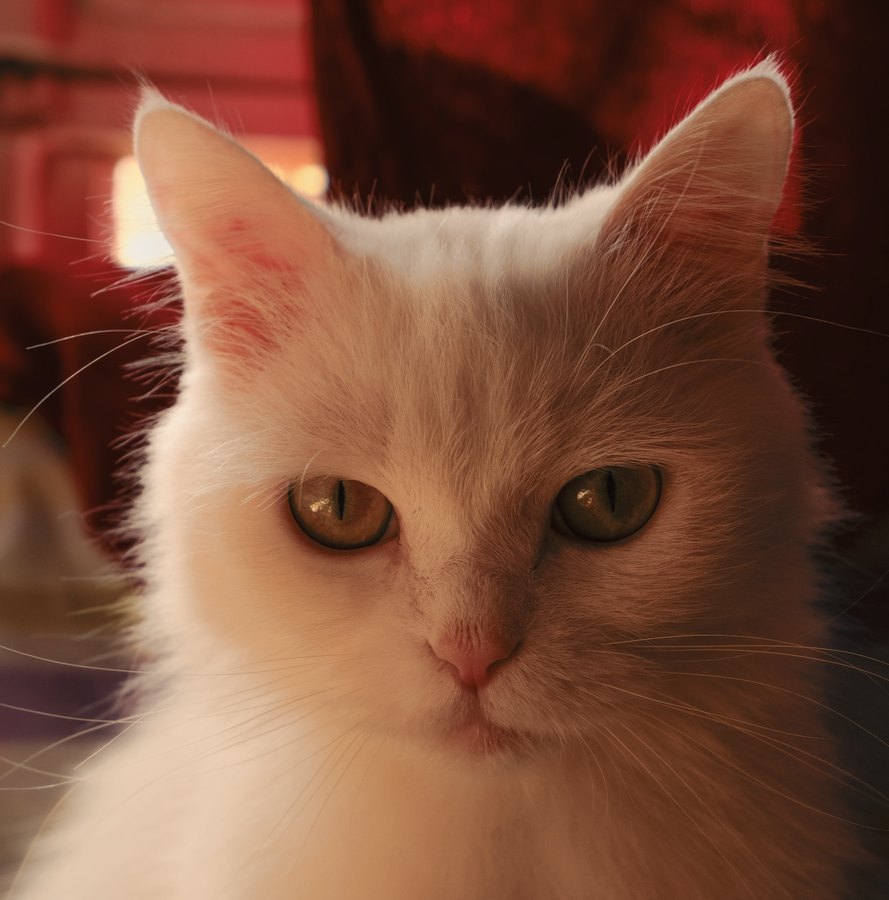
Fuji Astia 100F
The soft slide film — made specifically so slide contrast would not destroy skin.
2 renderings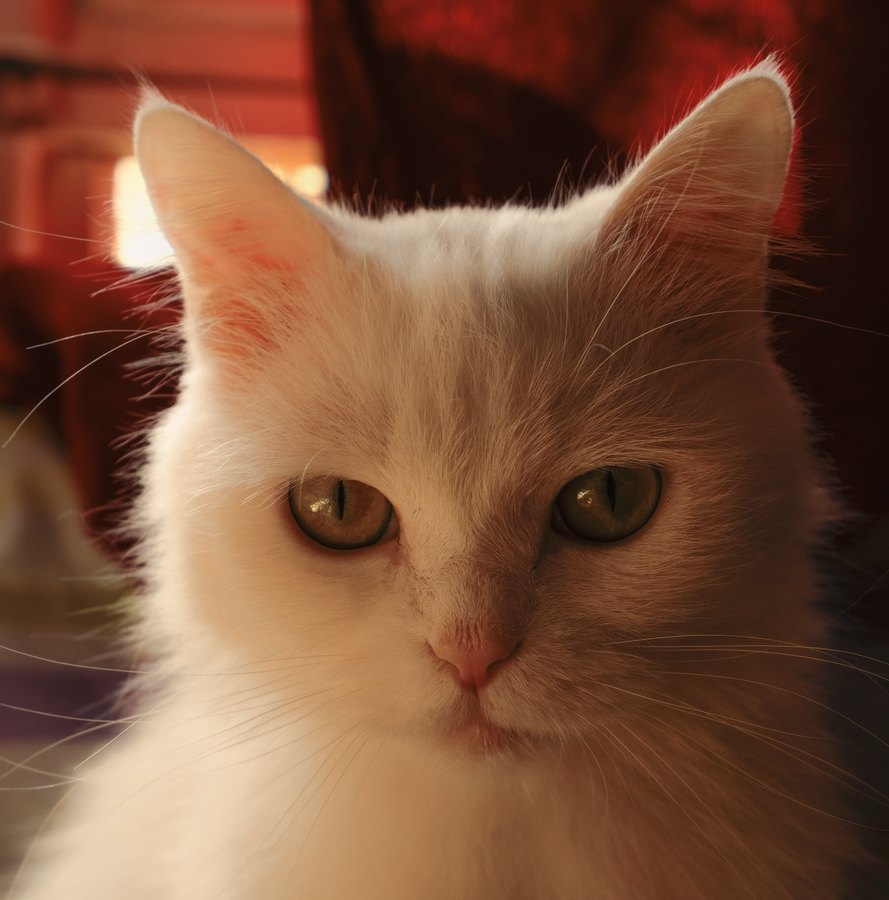
Fuji Provia 100F
The neutral Fuji slide film: accurate colour, fine grain, high but controlled contrast.
2 renderings
Fuji Provia 400F
The predecessor to 400X — flatter and more neutral.
1 rendering
Fuji Provia 400X
Fuji's fast slide film, with more saturation than Provia 100F.
1 rendering
Fuji Sensia 100
The consumer version of Provia — the same family, milder and cheaper.
1 rendering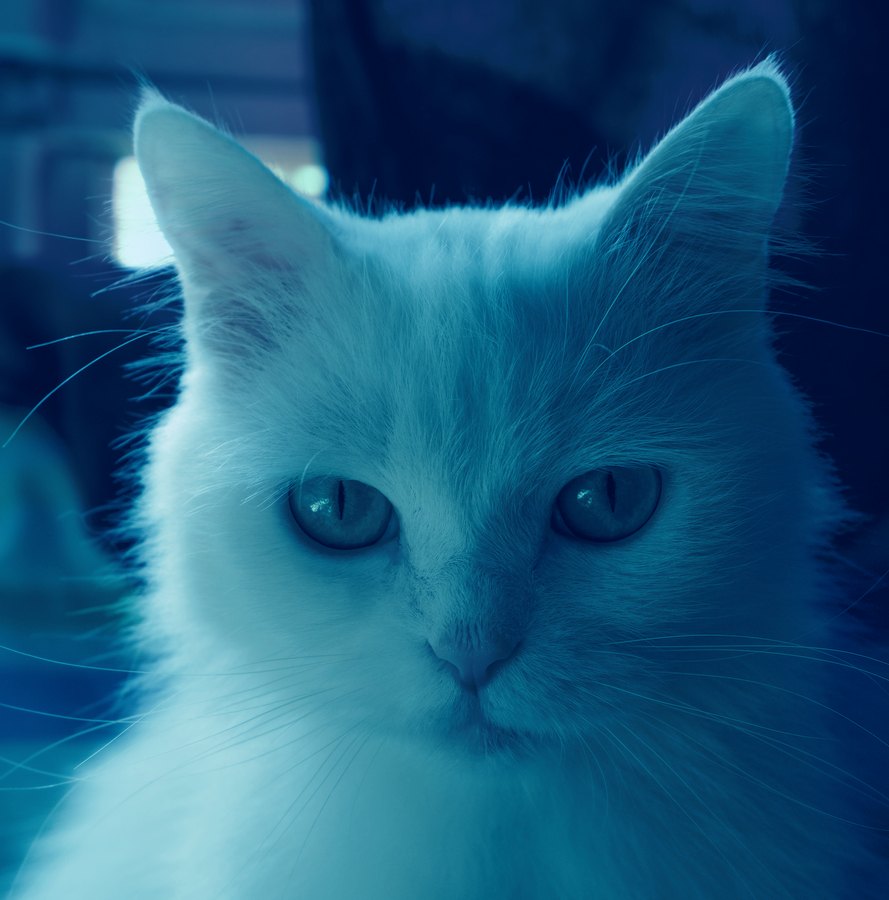
Fuji Superia 200 X-Pro
Cross-processed Superia: green-cyan shadows and bleached, contrasty highlights.
1 rendering
Fuji Velvia 100
A faster, slightly tamer Velvia with a cooler bias than the original 50.
1 rendering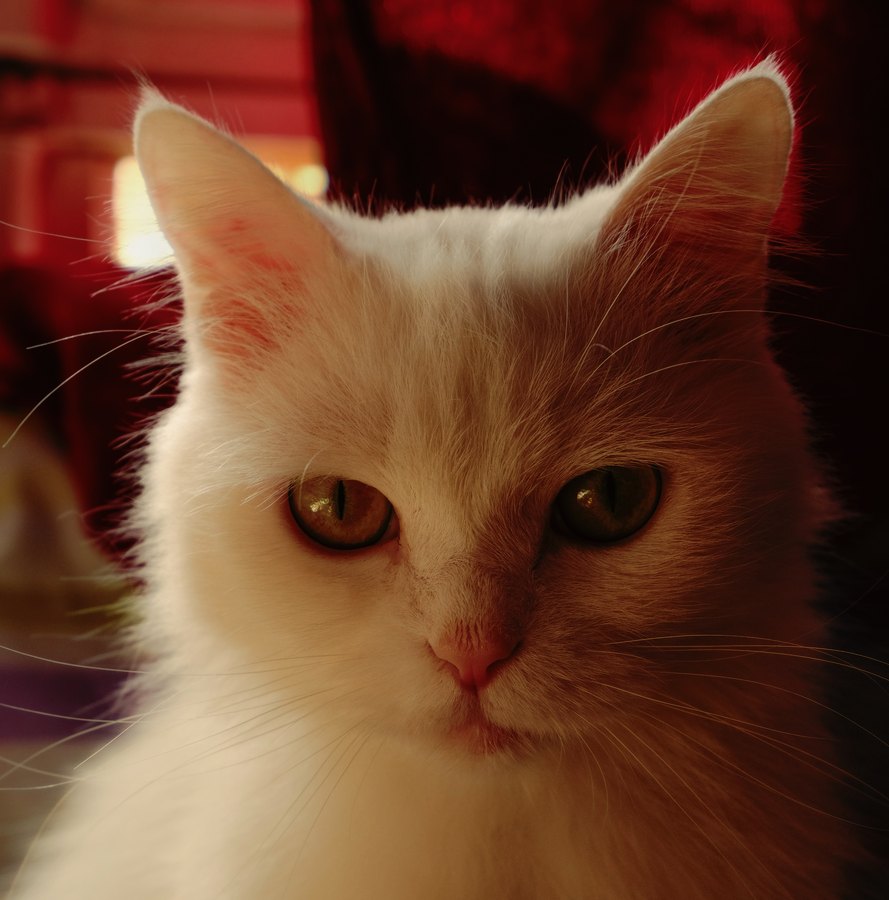
Fuji Velvia 50
The most saturated colour film ever widely sold — the landscape photographer's signature.
1 rendering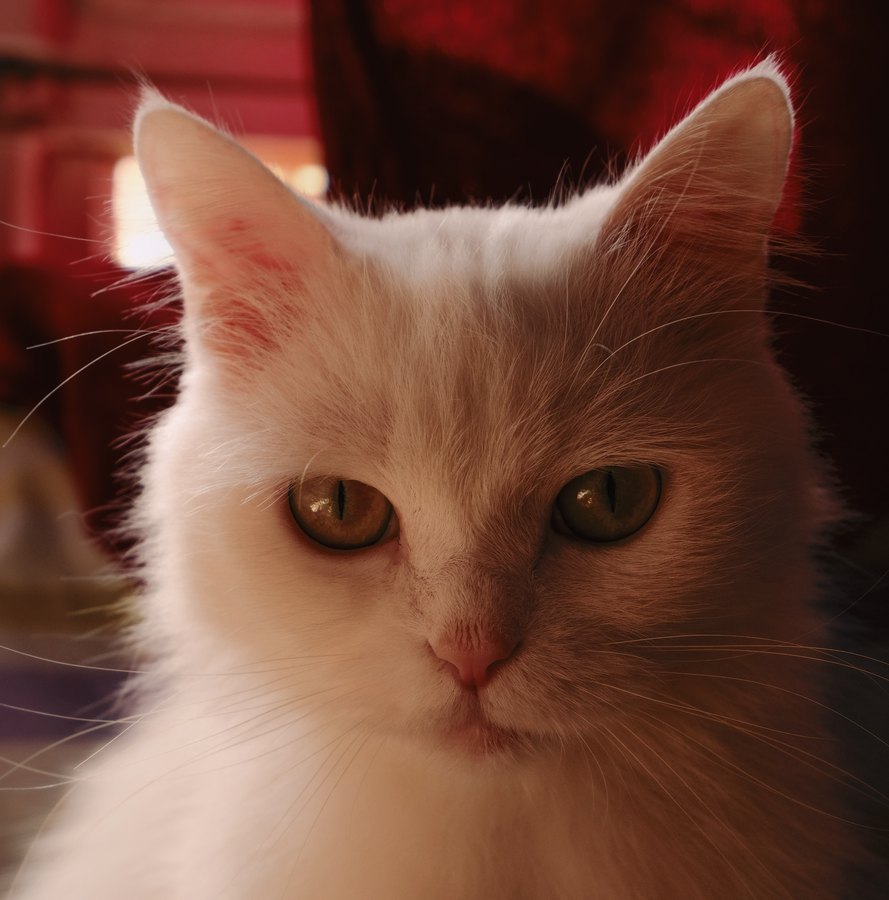
Kodak E100GX
Warm-balanced Ektachrome, made for portraits and skin under transparency contrast.
1 rendering
Kodak Ektachrome 100VS
Kodak's answer to Velvia: Very Saturated Ektachrome with a cooler, bluer bias.
2 renderings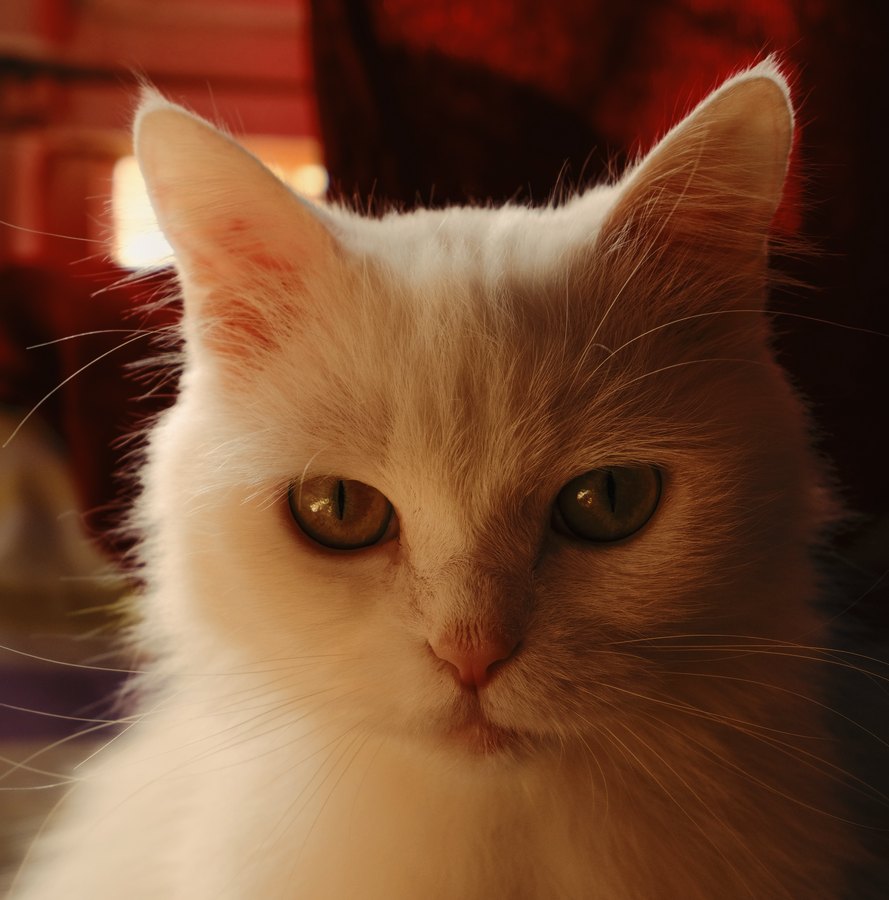
Kodak Elite Chrome 200
Consumer Ektachrome at ISO 200 — cool, contrasty and cheap.
1 rendering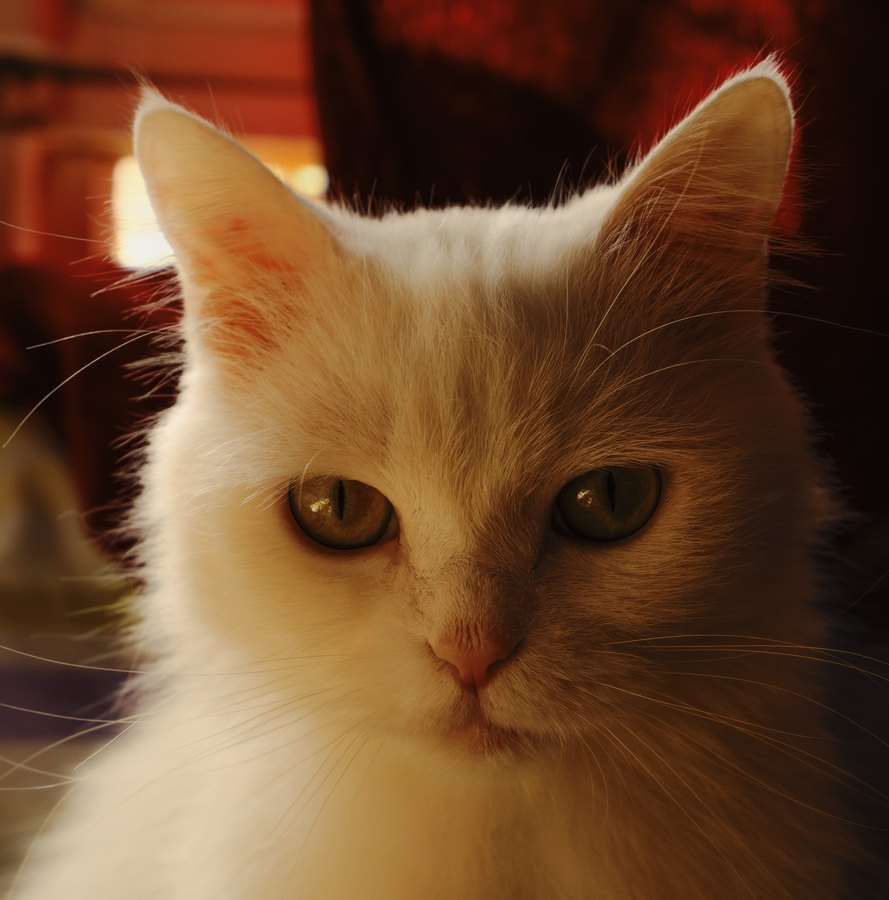
Kodak Elite Chrome 400
The fast Elite Chrome: grainier and flatter than the 200.
1 rendering
Kodak Elite Extracolor 100
Elite Chrome with the saturation deliberately overdriven.
1 rendering
Kodak Kodachrome 200
The fast Kodachrome — the family look with grain and slightly cooler colour.
1 rendering
Kodak Kodachrome 25
The slowest and finest-grained Kodachrome, and the sharpest colour film of its era.
1 rendering
Kodak Kodachrome 64
The most famous colour film ever made — dense reds, restrained blues, archival permanence.
2 renderings
Lomography X-Pro Slide 200
Slide film sold specifically to be cross-processed.
1 rendering
Polaroid Polachrome
Instant 35mm slide film with a visible additive colour screen.
1 renderingBlack & White Film
Monochrome emulsions from near-grainless ISO 25 to enormous-grained ISO 3200, plus infrared and orthochromatic responses.

Agfa APX 100
A traditional-grain European film with straight, neutral tonality.
1 rendering
Agfa APX 25
An extremely slow, extremely sharp classic emulsion.
1 rendering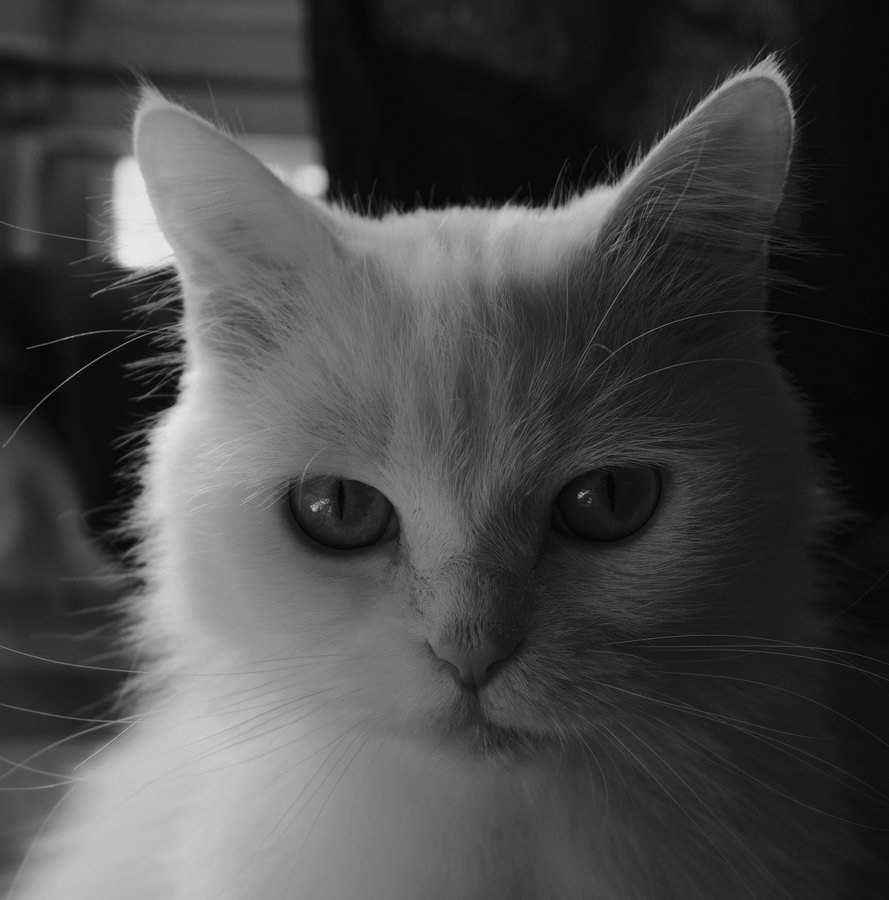
Fuji Neopan Acros 100
Fuji's fine-grain film, famous for having essentially no reciprocity failure.
1 rendering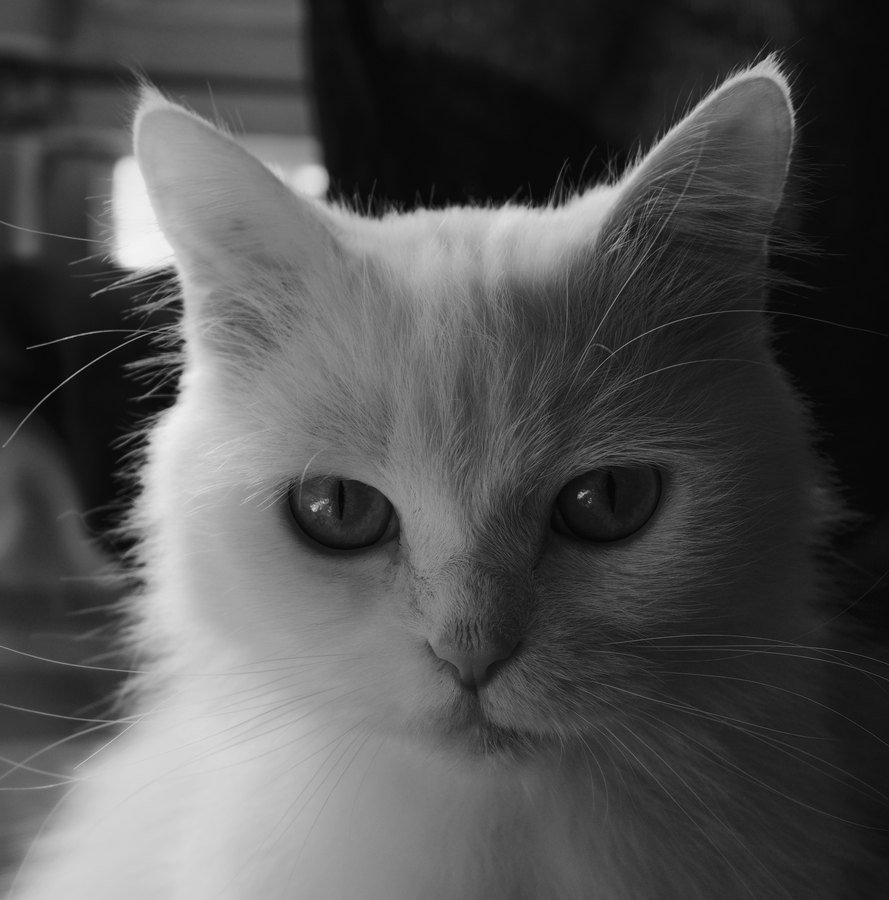
Ilford Delta 100
Ilford's fine-grain tabular film — crisp, clean and slightly contrastier than T-Max 100.
1 rendering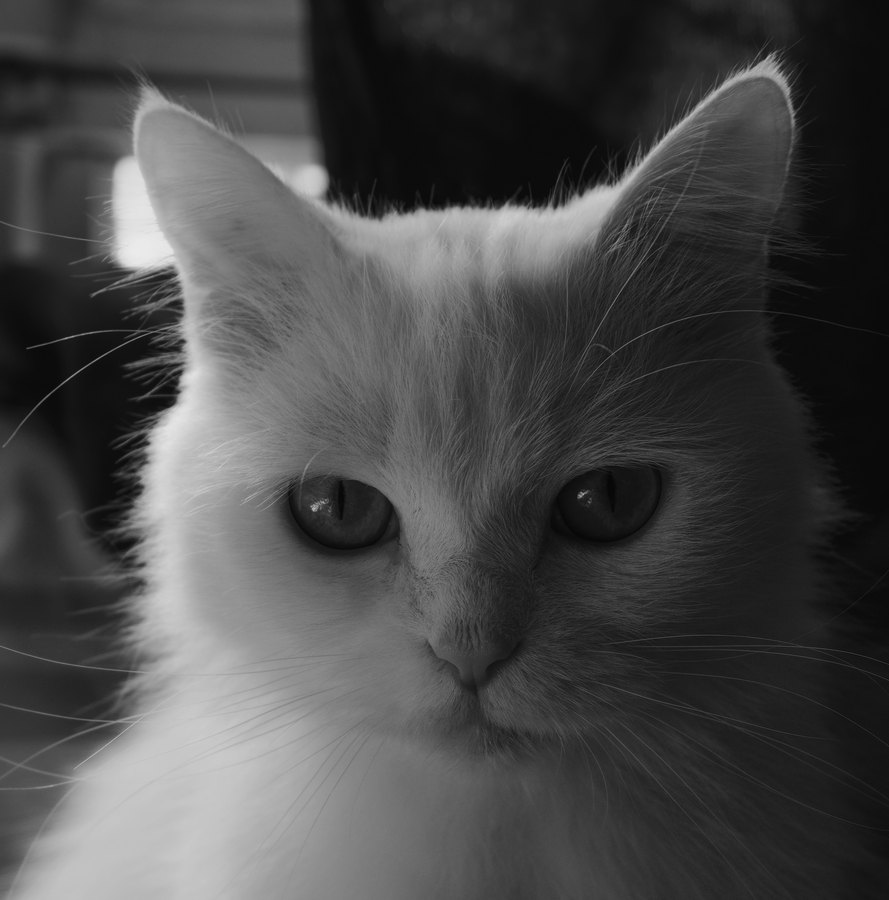
Ilford Delta 400
Tabular-grain 400 from Ilford: cleaner than HP5, warmer than T-Max.
1 rendering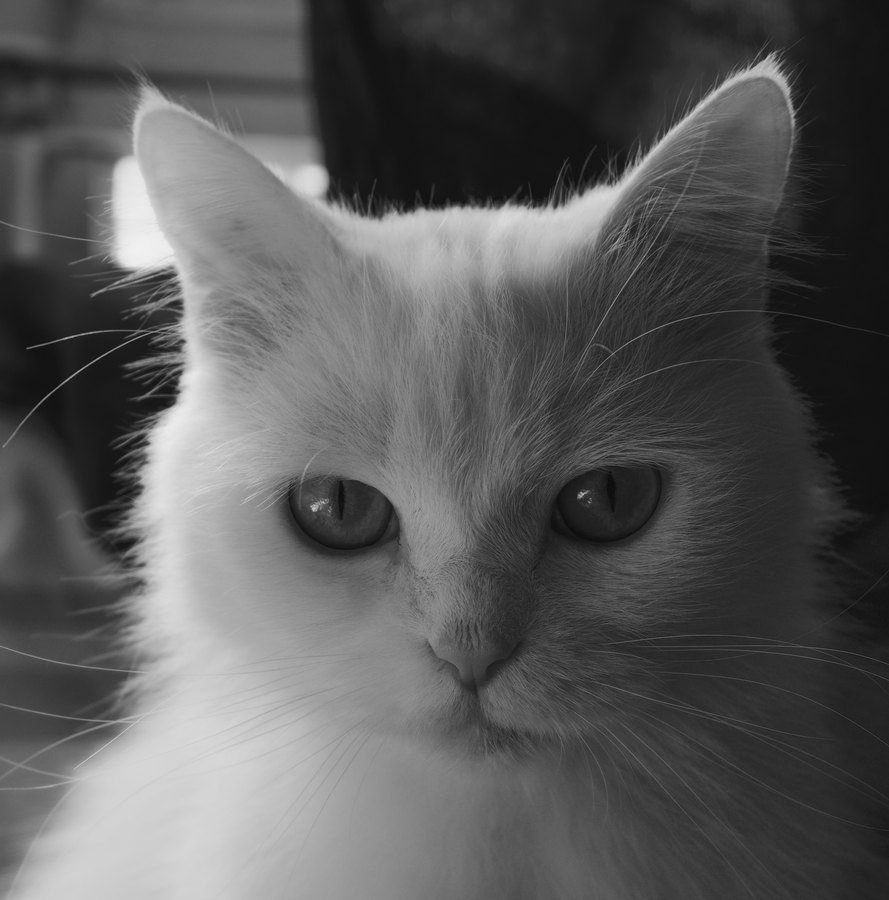
Ilford FP4 Plus 125
A classic-grain medium-speed film with long, gentle tonality.
1 rendering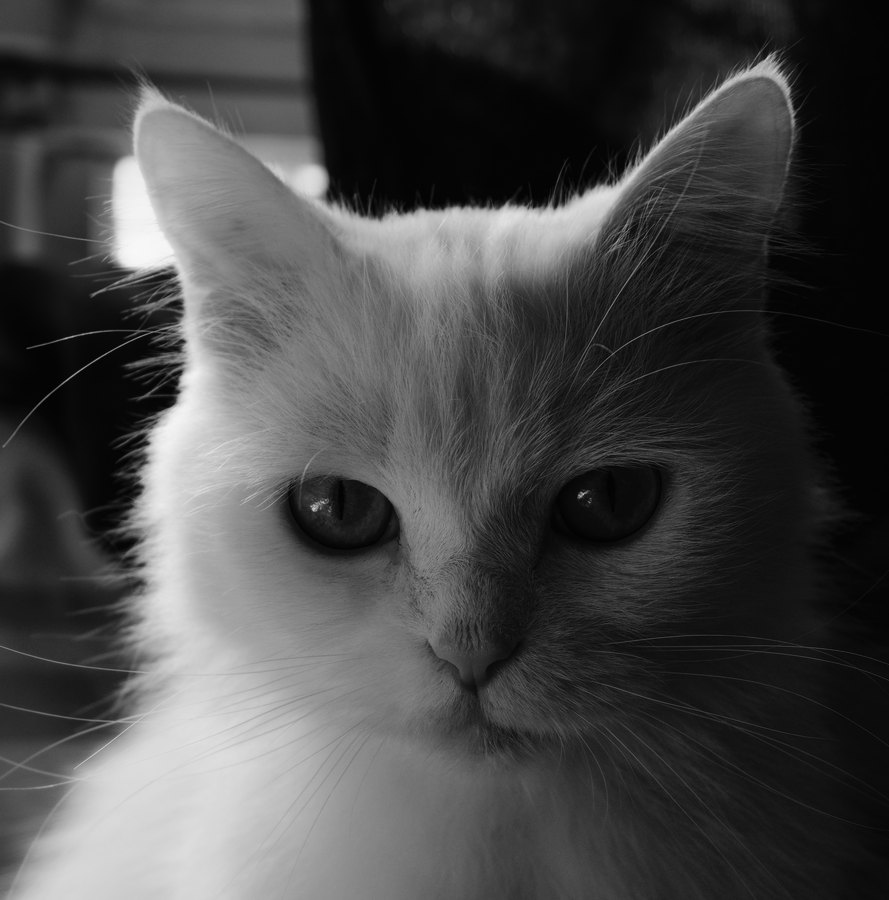
Ilford HPS 800
A discontinued fast Ilford emulsion sitting between HP5 and Delta 3200.
1 rendering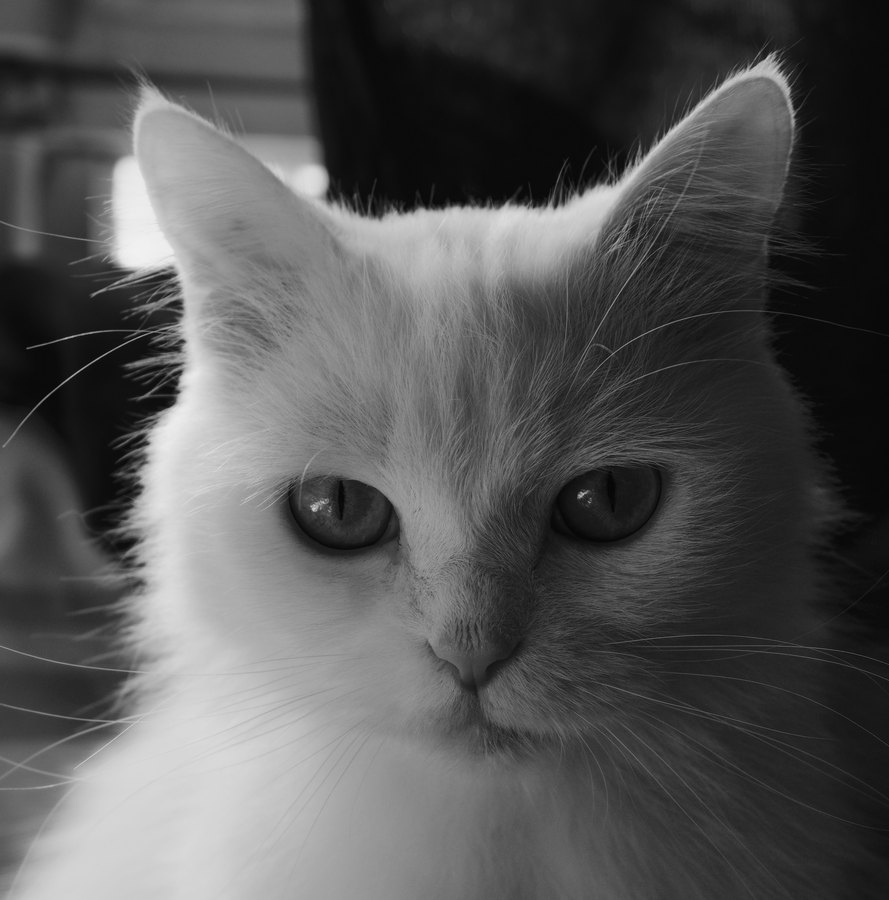
Ilford Pan F Plus 50
Ilford's slowest film: near-grainless, high contrast, demanding.
1 rendering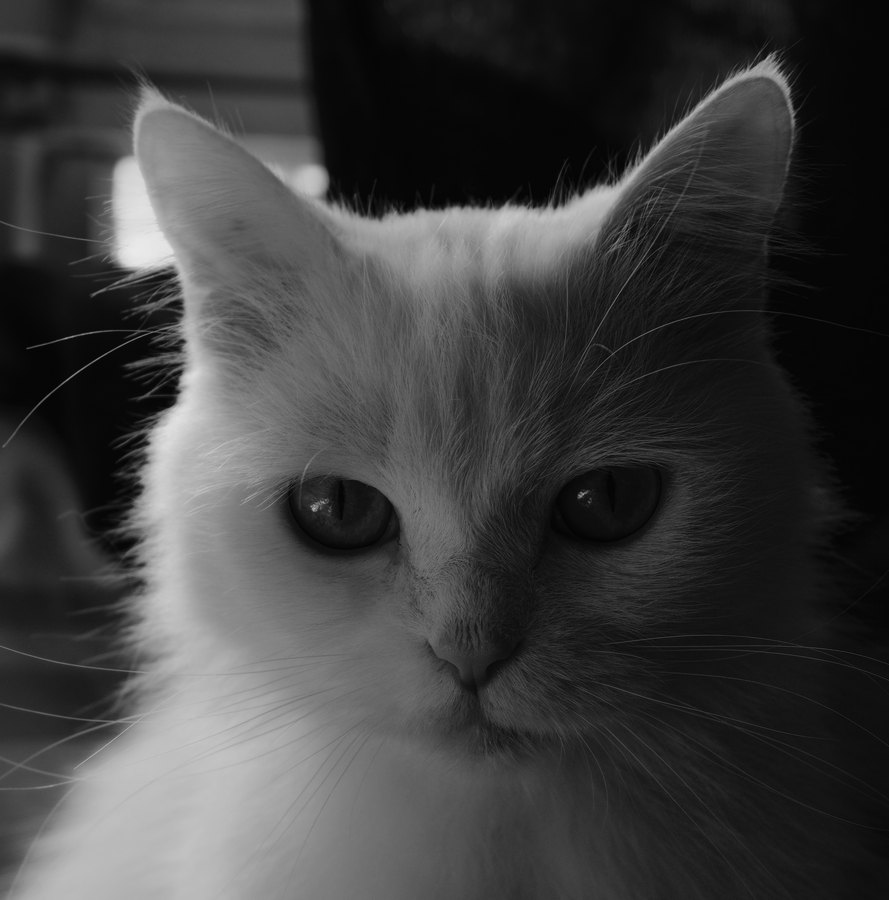
Ilford XP2
Black and white film developed in colour C-41 chemistry — unusually smooth and flat.
1 rendering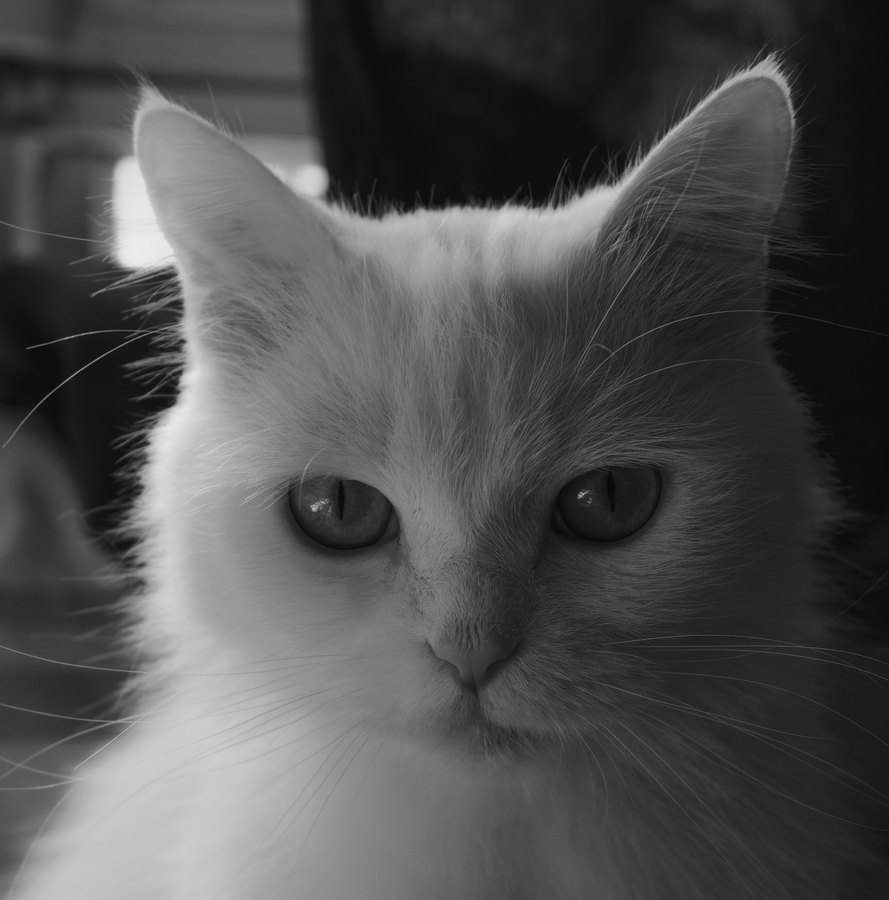
Kodak BW400CN
Kodak's chromogenic black and white film, with a warm sepia-leaning base.
1 rendering
Kodak HIE Infrared
True infrared film: white foliage, black skies, glowing halation around highlights.
1 rendering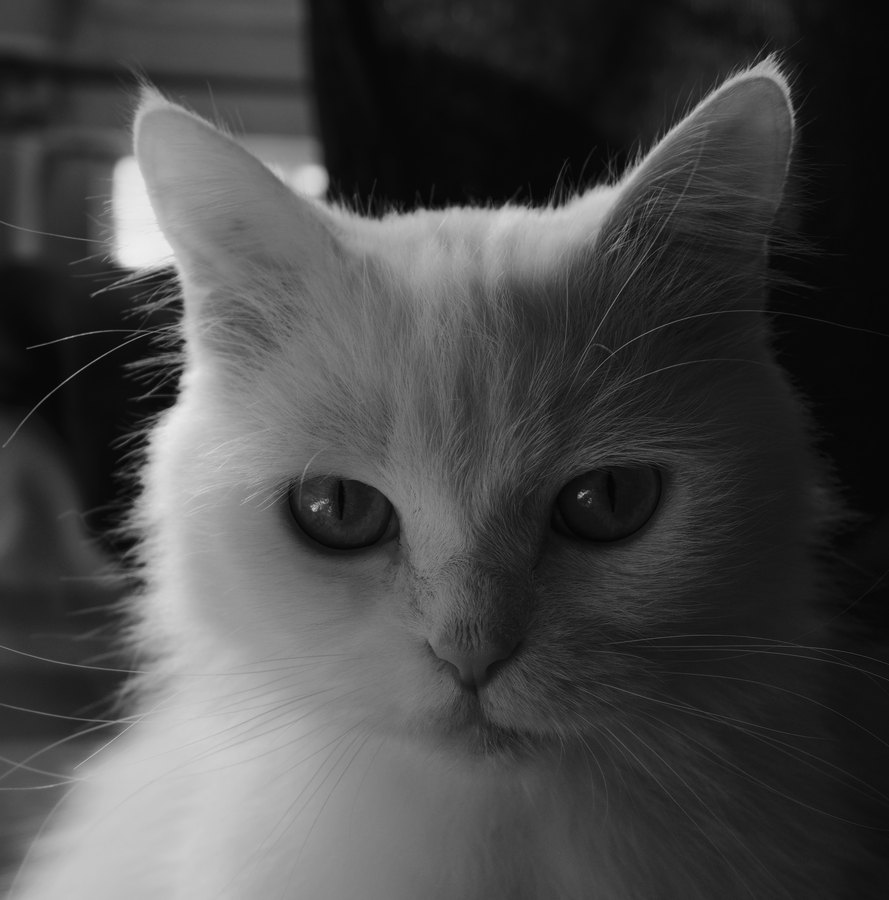
Kodak T-Max 100
Extremely fine-grained tabular film — close to grainless at normal enlargements.
1 rendering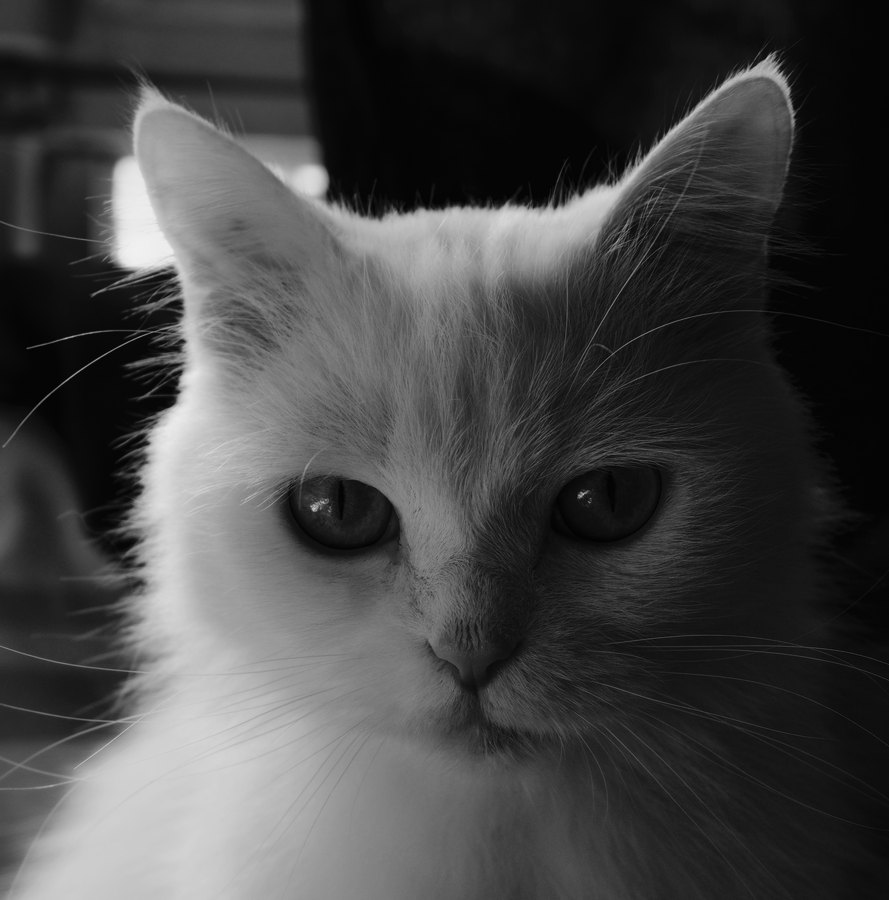
Kodak T-Max 400
Modern tabular-grain film: far finer grain than Tri-X at the same speed.
1 rendering
Polaroid 664
Peel-apart black and white pack film with medium contrast.
1 rendering
Polaroid 667
The very fast peel-apart black and white film used for lighting tests.
1 rendering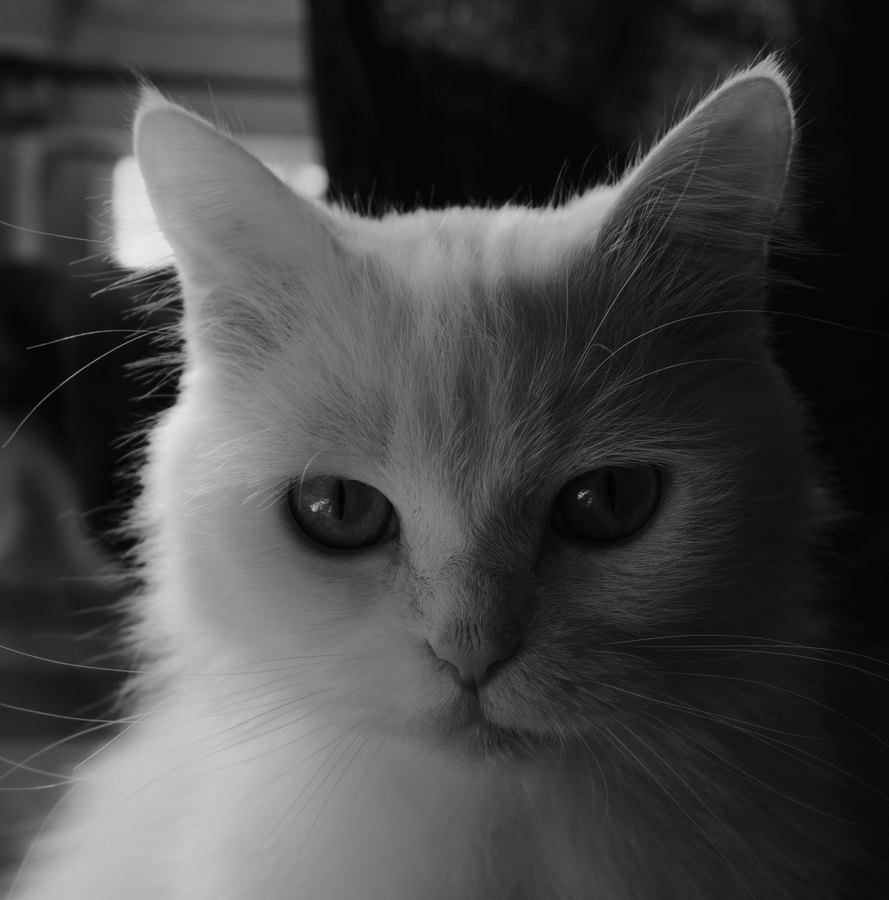
Polaroid 672
A medium-speed peel-apart black and white film.
1 rendering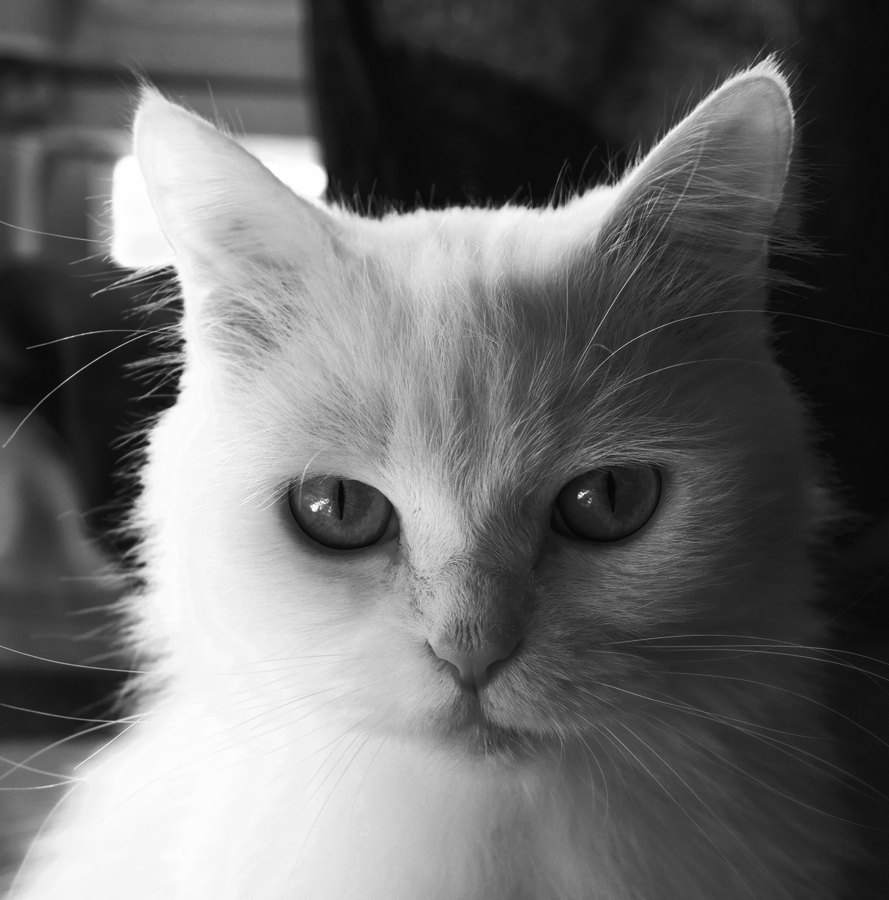
Rollei IR 400
A modern infrared-sensitive film — the HIE effect, tamed.
1 rendering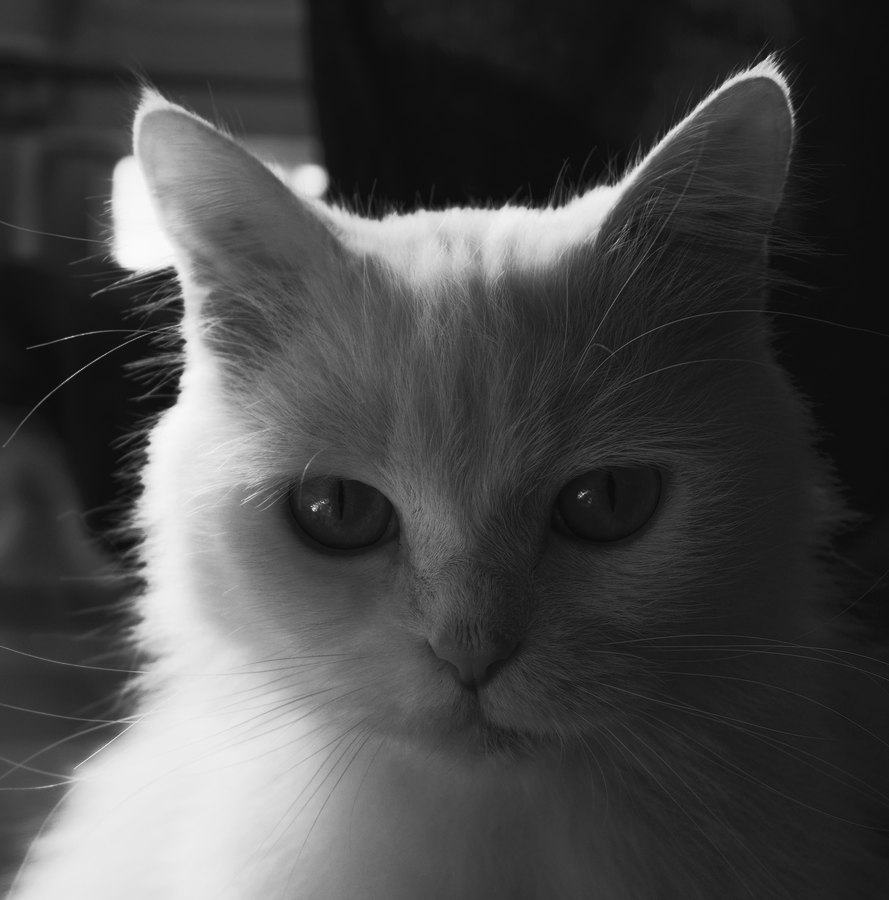
Rollei Ortho 25
Orthochromatic film — blind to red, so it renders the world the way pre-1900 photographs did.
1 rendering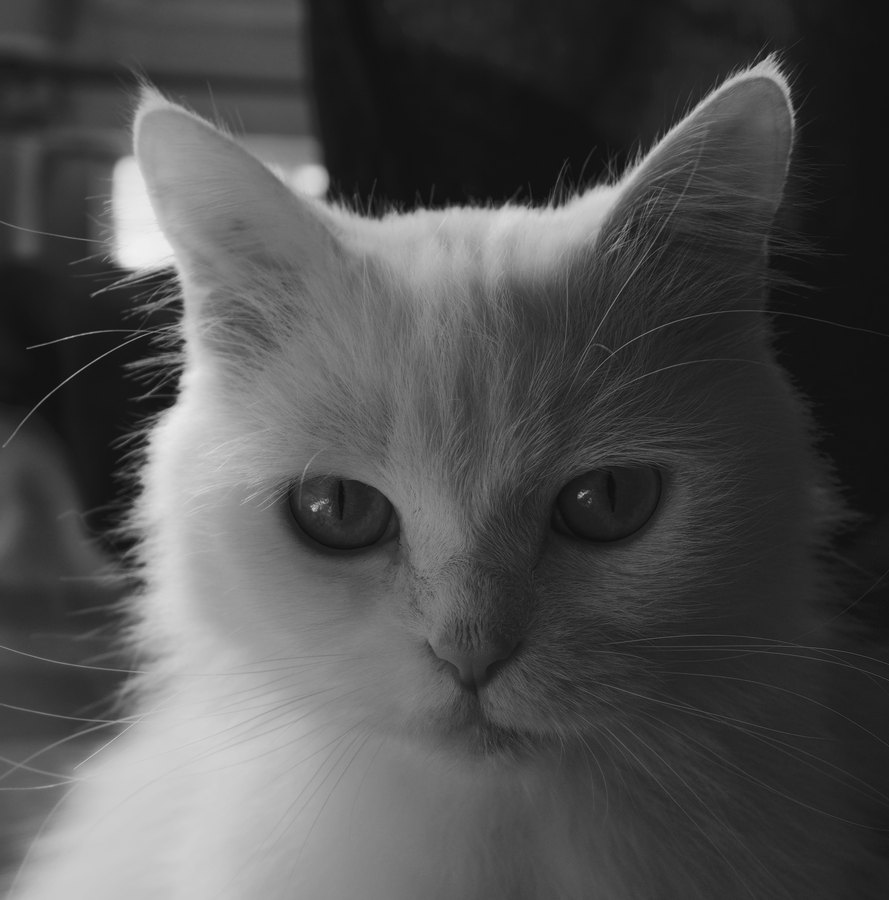
Rollei Retro 100 Tonal
A long-scale film built for gradation rather than punch.
1 rendering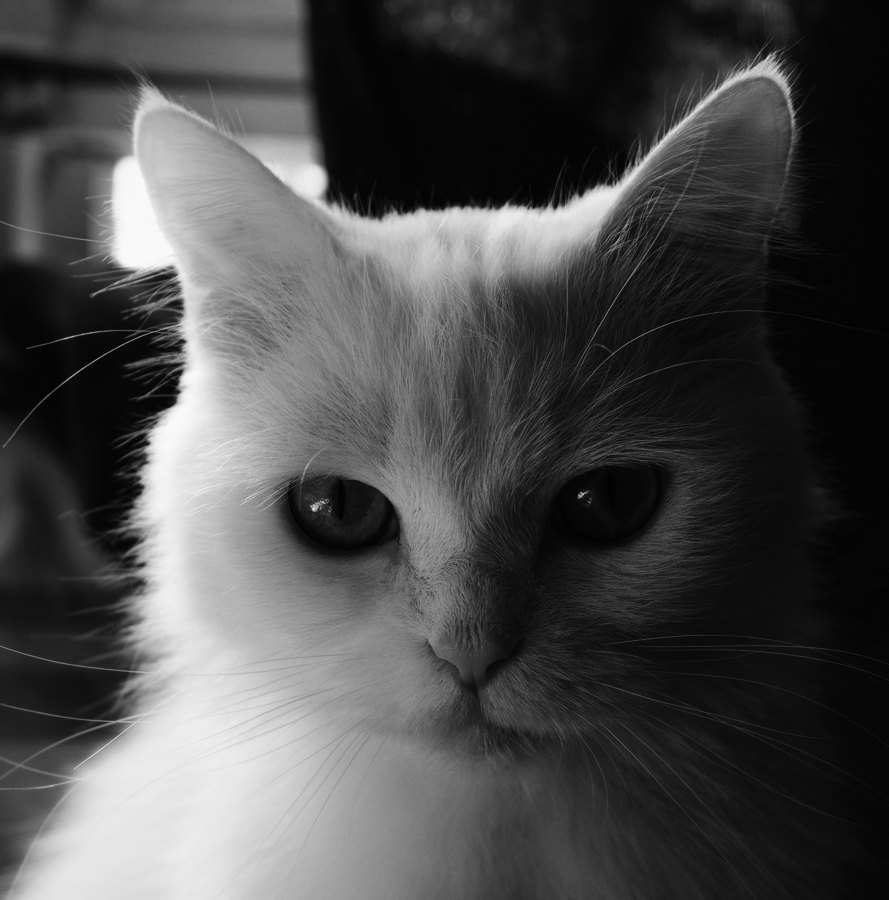
Rollei Retro 80S
A fine-grained film with extended red sensitivity and a hard, graphic tonality.
1 renderingInstant Film
Polaroid, Impossible Project and Fuji peel-apart films: compressed highlights, milky blacks and unstable colour.
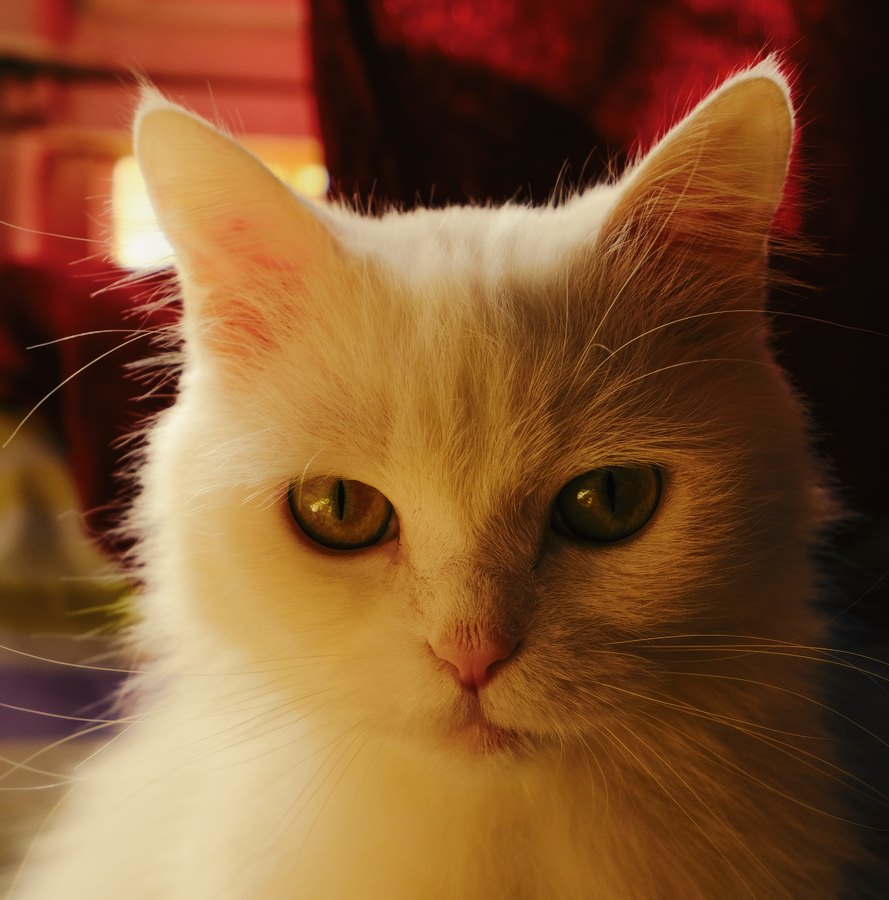
Fuji FP-100C
The last peel-apart colour film in production — cooler and cleaner than Polaroid's.
21 renderings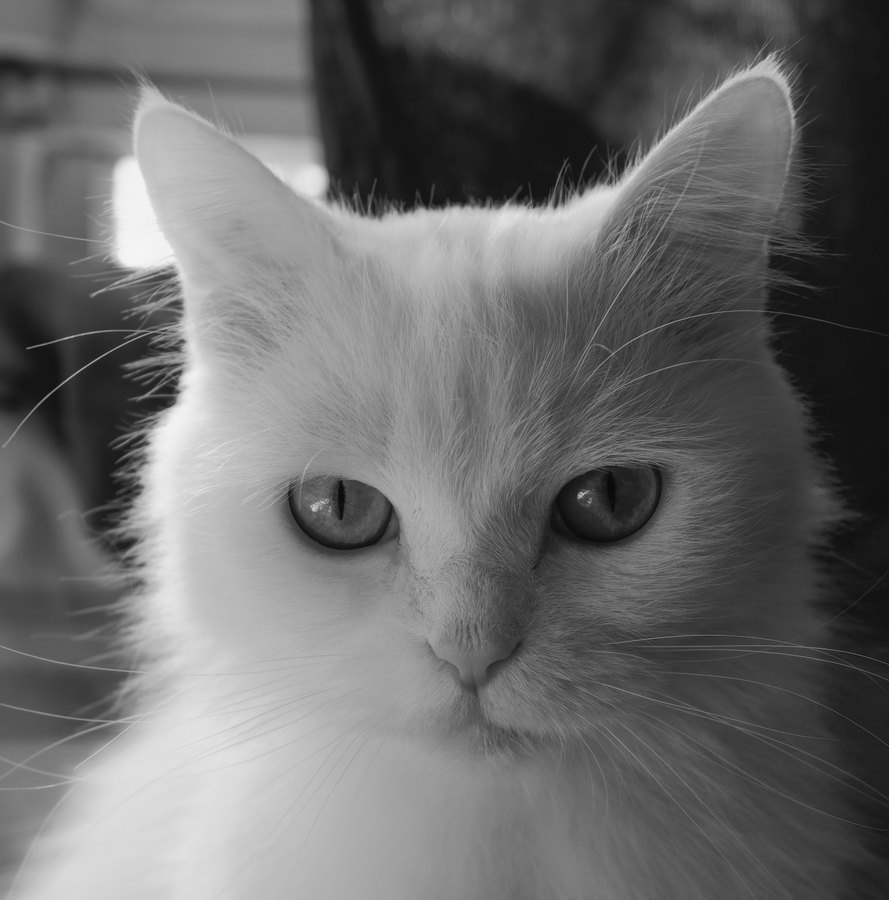
Fuji FP-3000B
Very fast peel-apart black and white film with striking contrast.
14 renderings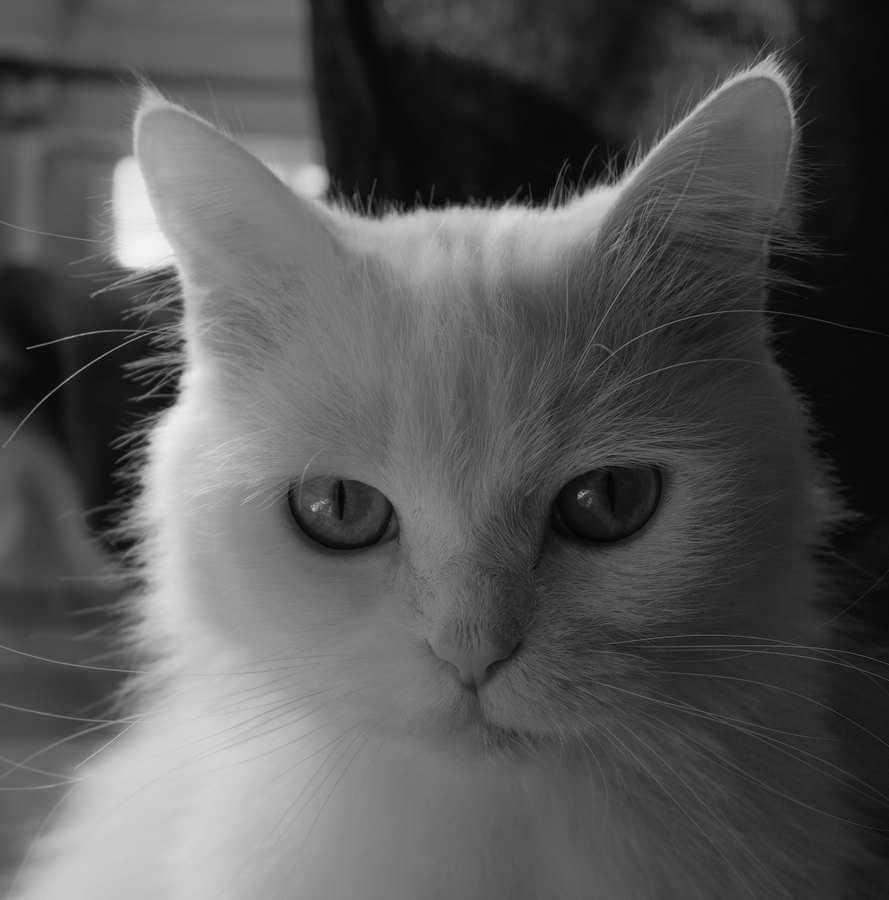
Polaroid 665
Peel-apart black and white film that produced a usable negative as well as a print.
9 renderings
Polaroid 669
The standard professional peel-apart colour film — the classic Polaroid palette.
11 renderings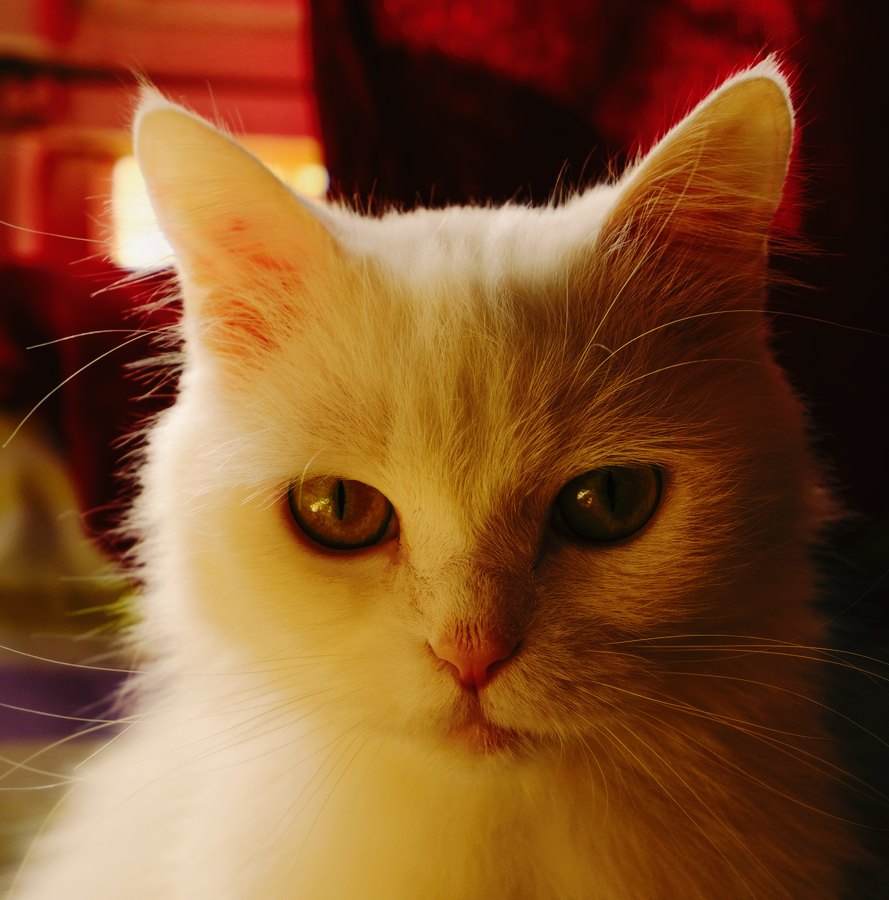
Polaroid 690
A higher-saturation peel-apart colour film — 669 with more punch.
16 renderings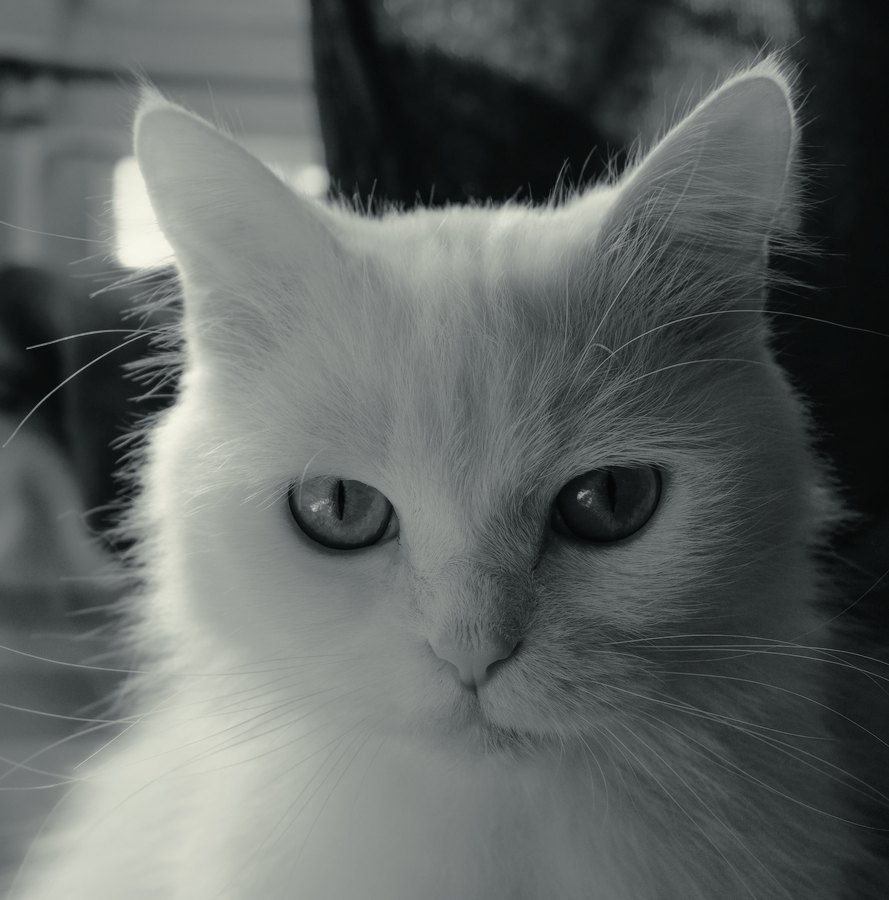
Polaroid Px-100Uv+
A monochrome-leaning Impossible emulsion with a strong tonal cast.
12 renderings
Polaroid Px-680
The 600-format Impossible colour film — slightly more contrast and colour than PX-70.
16 renderings
Polaroid Px-70
The first Impossible Project colour film for SX-70 cameras — soft, pastel and unpredictable.
16 renderings
Polaroid Time Zero Expired
Expired SX-70 Time Zero film — degraded colour, heavy casts and blotchy shadows.
10 renderingsCinema Print Stock
The emulsions films were printed onto for projection — the foundation of most cinematic grades.
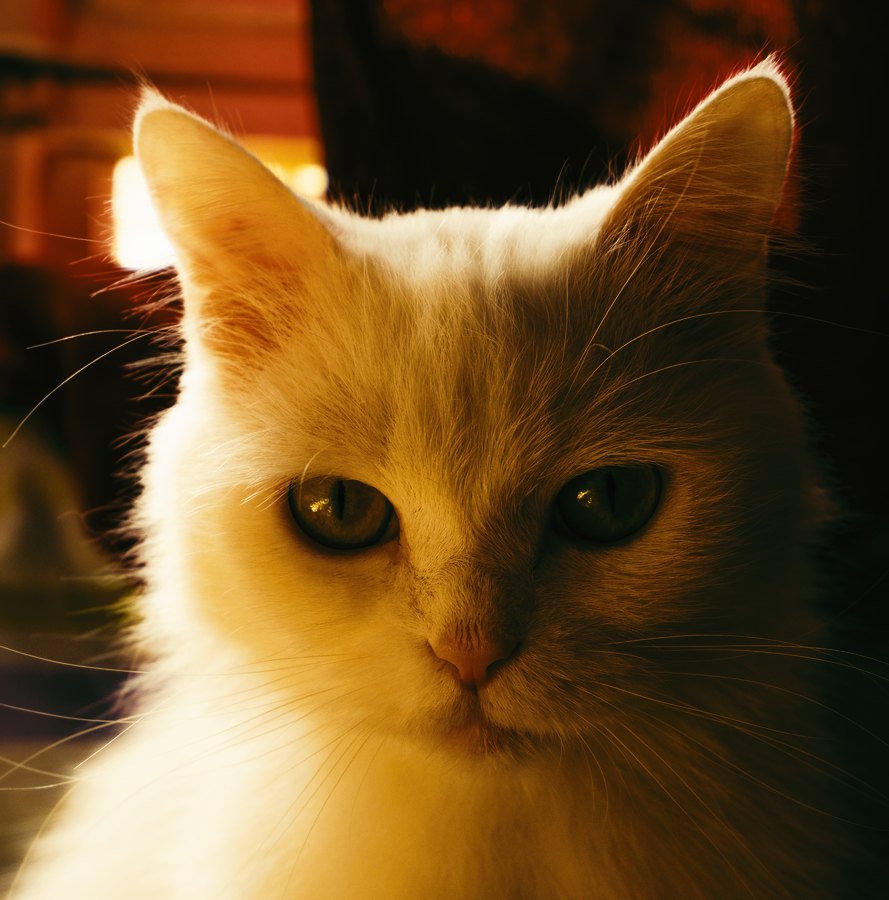
Fuji 3510 Print
Fuji's cinema print stock — cooler and greener than Kodak's equivalent.
3 renderings
Fuji 3513 Print
A contrastier Fuji print stock.
3 renderings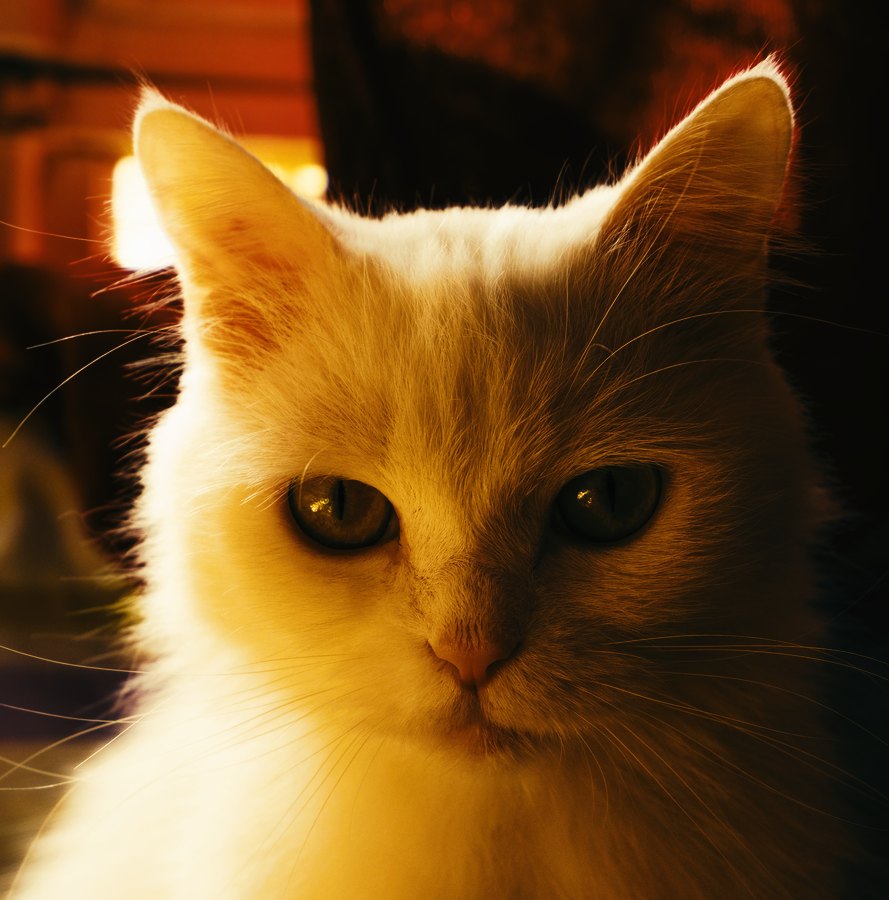
Kodak 2383 Print
The standard cinema print stock — what a film actually looked like projected in a cinema.
3 renderings
Kodak 2393 Print
A punchier Kodak print emulsion — 2383 with the contrast and saturation raised.
3 renderingsFujifilm Film Simulations
The X-Trans III generation of Fujifilm's in-camera simulations, from neutral Provia to muted Classic Chrome.
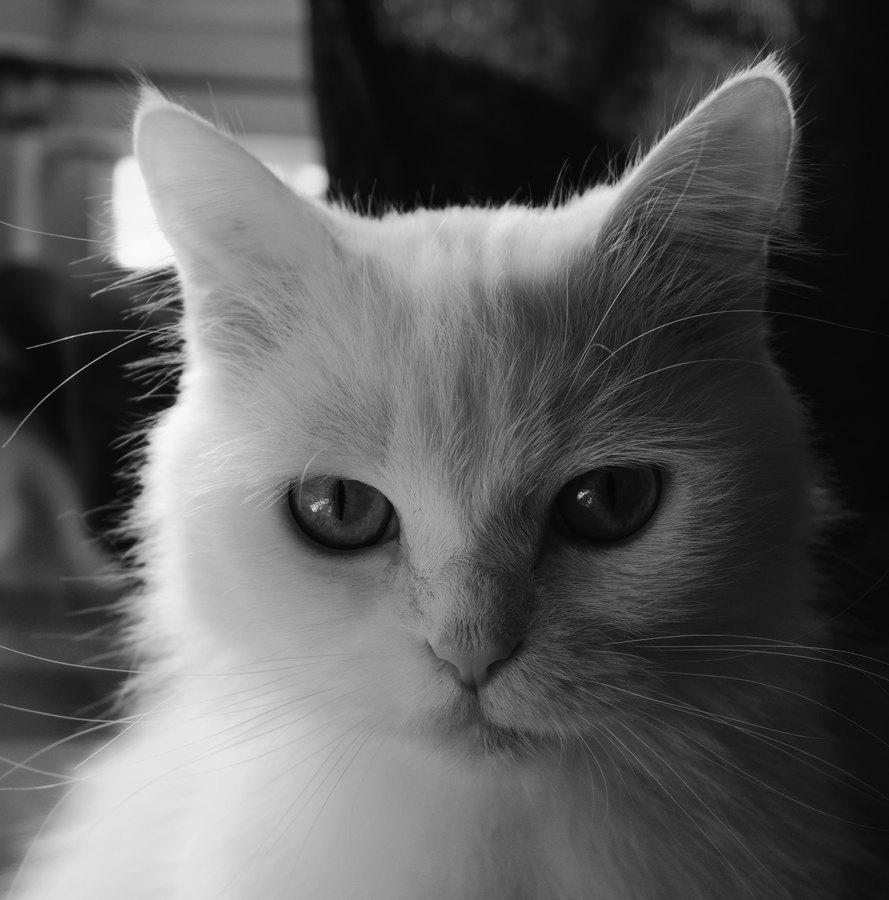
Fuji X-Trans III Acros
Fujifilm's premium monochrome simulation, with optional colour filters.
4 renderings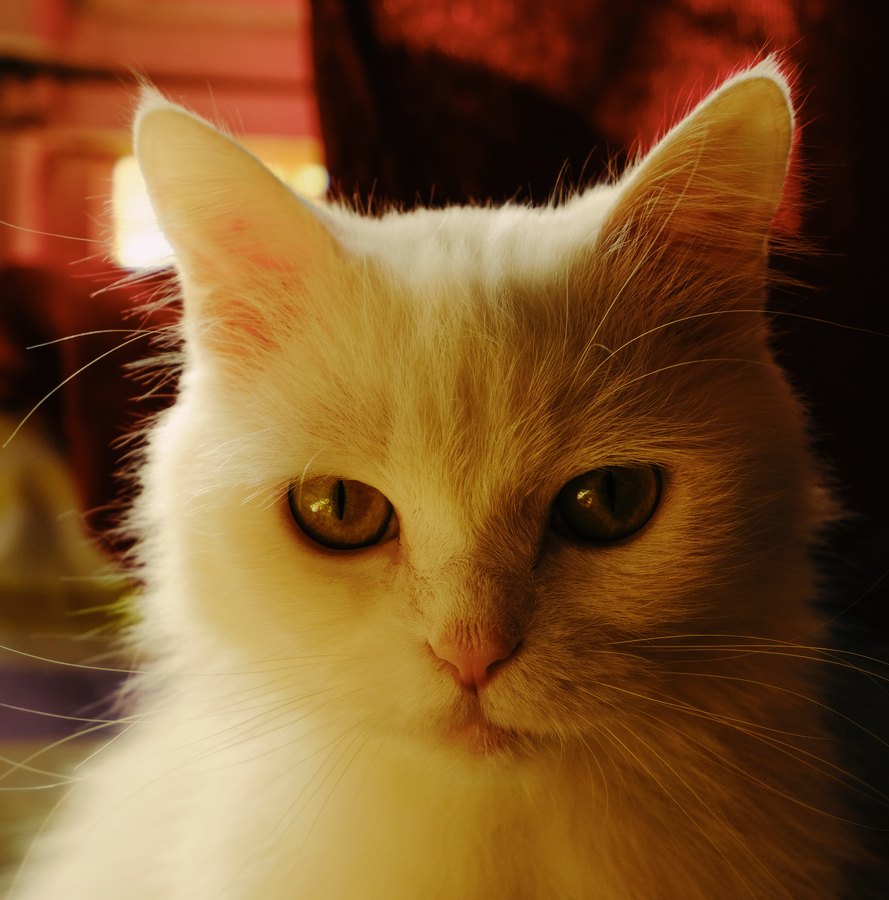
Fuji X-Trans III Astia
The soft simulation, modelled on Astia — gentle contrast for portraits.
1 rendering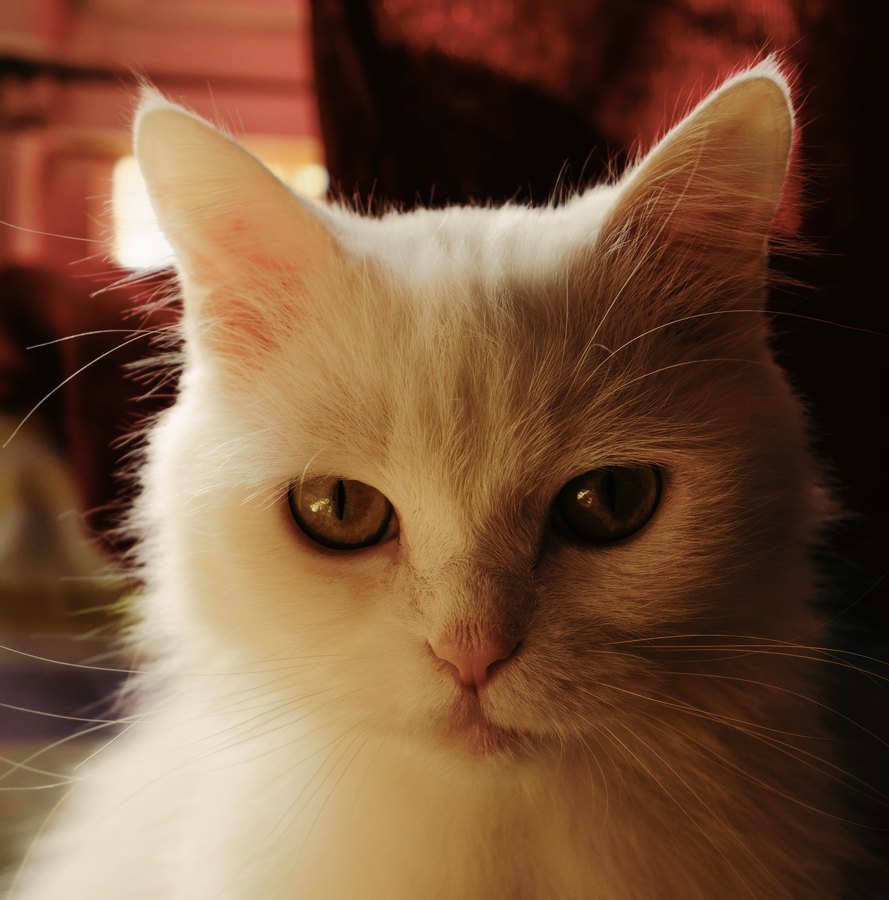
Fuji X-Trans III Classic Chrome
Fujifilm's documentary simulation — muted colour and hard shadows, evoking Kodachrome.
1 rendering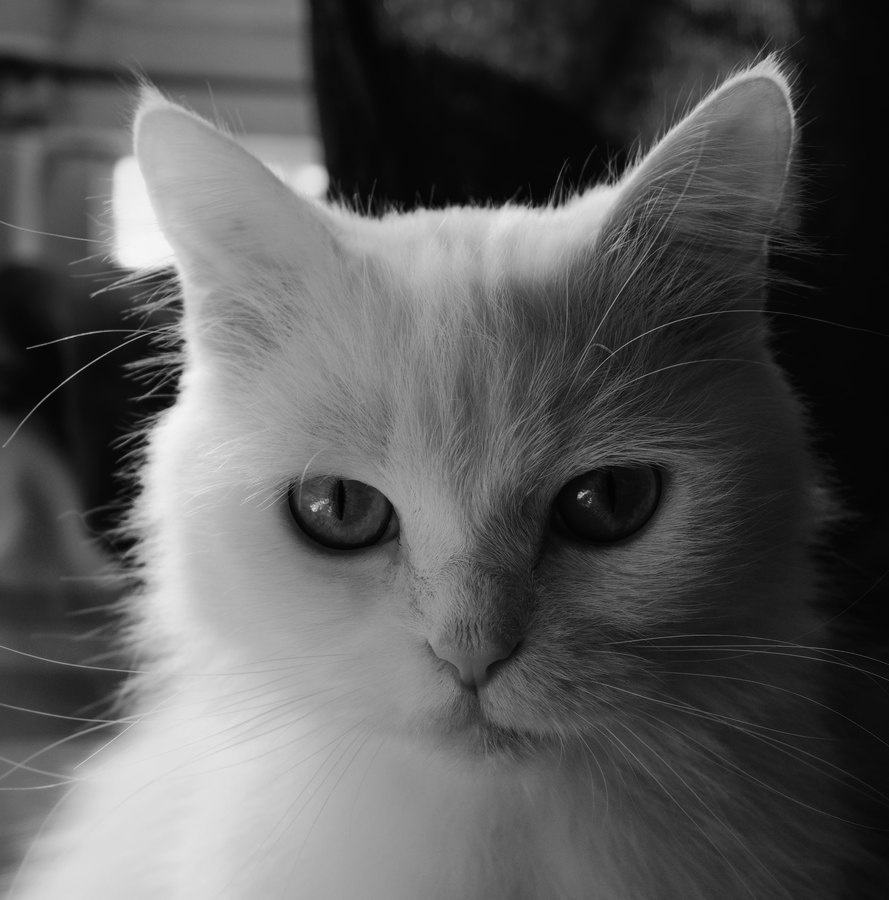
Fuji X-Trans III Mono
The standard monochrome simulation, also available with colour filters.
4 renderings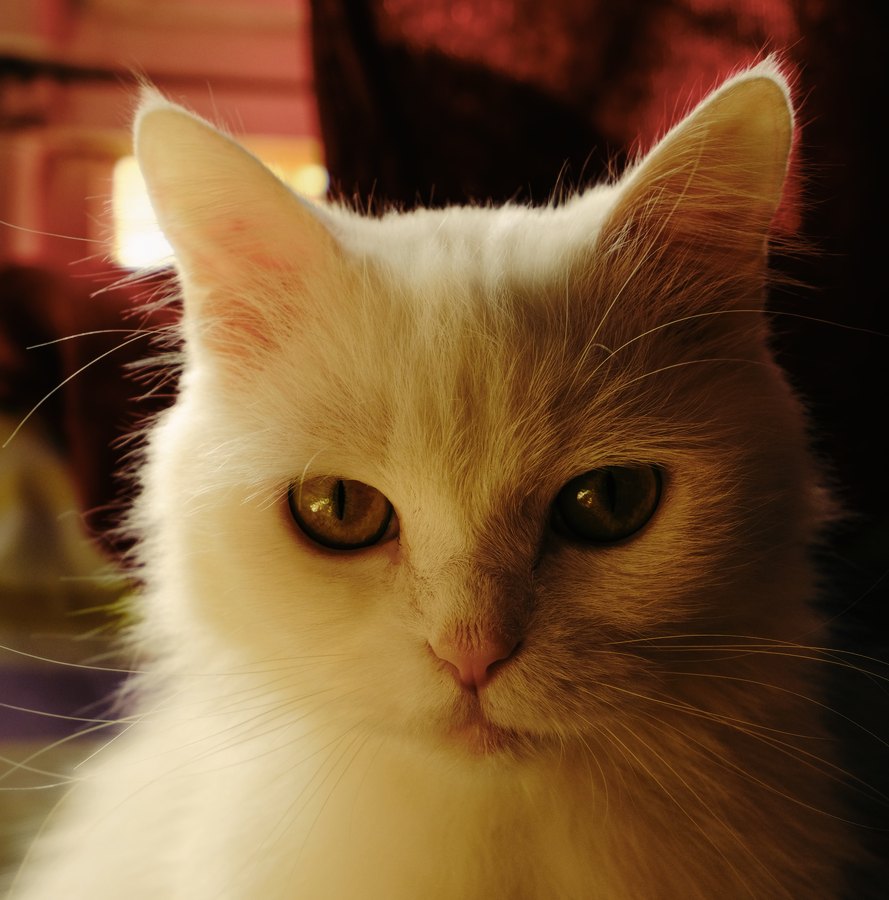
Fuji X-Trans III Pro Neg Hi
The higher-contrast Pro Neg variant for location portraiture.
1 rendering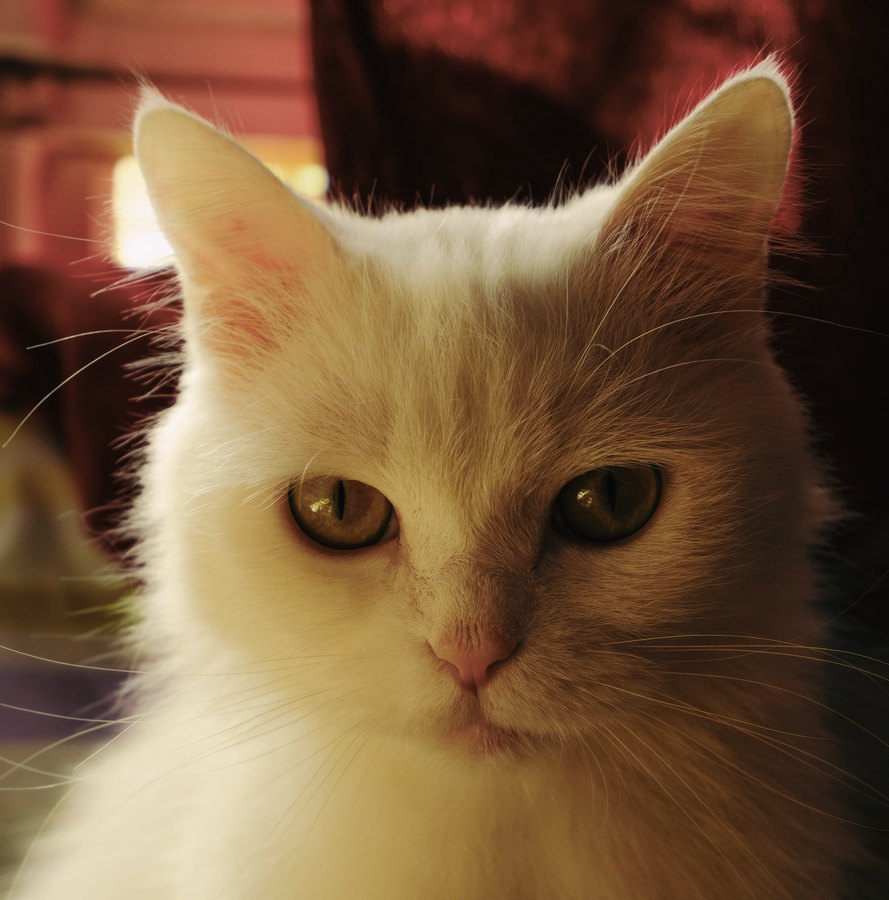
Fuji X-Trans III Pro Neg Std
A flat, neutral simulation modelled on professional portrait negative film.
1 rendering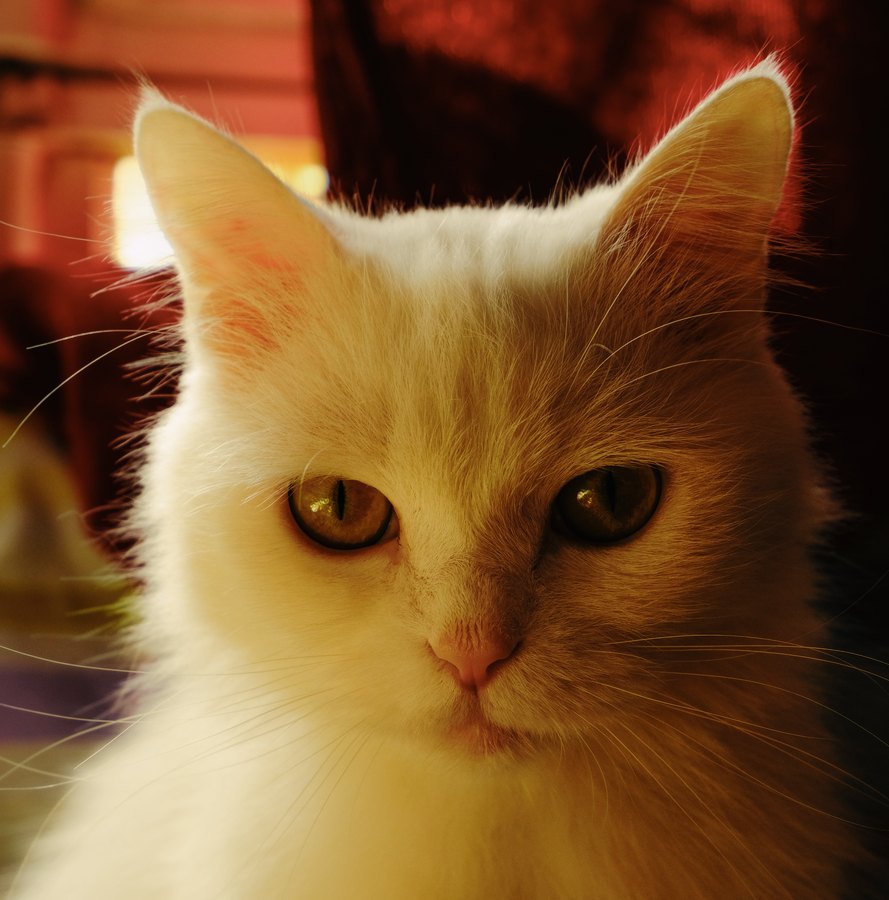
Fuji X-Trans III Provia
Fujifilm's standard digital film simulation — the neutral baseline for X-Trans III cameras.
1 rendering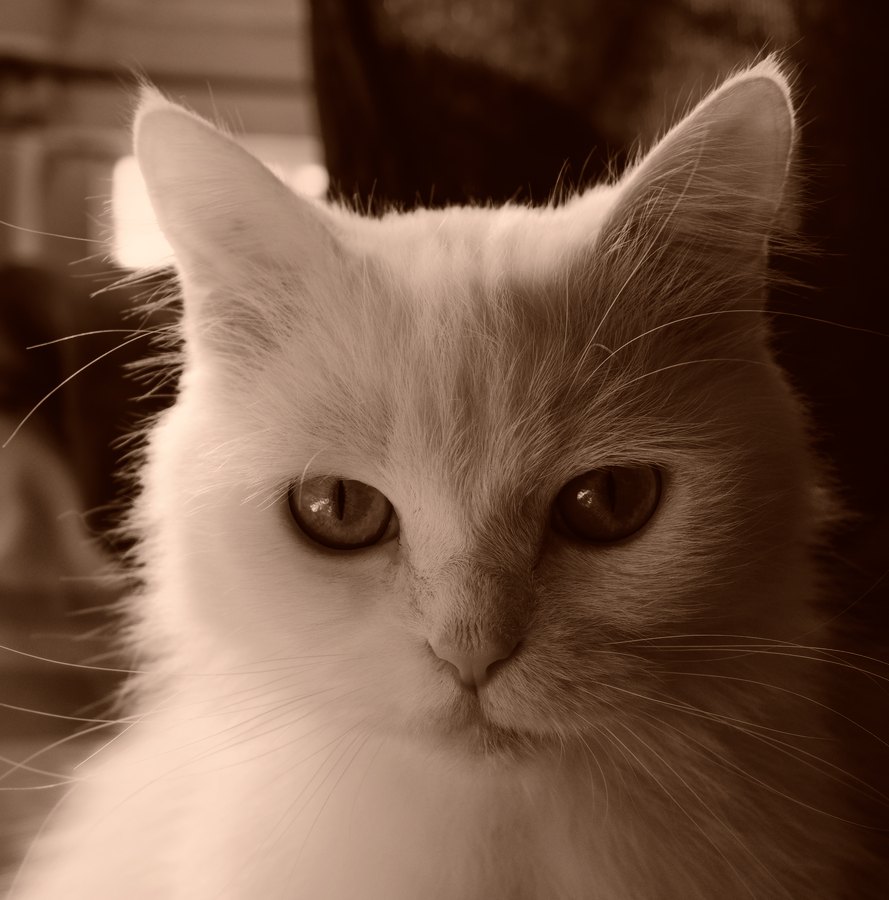
Fuji X-Trans III Sepia
A toned monochrome simulation with a warm brown cast.
1 rendering
Fuji X-Trans III Velvia
The high-saturation simulation, modelled on the Velvia transparency film.
1 rendering