manufacturer
Kodak Film Looks
Warm midtones, golden skin and gentle highlight roll-off — the house that defined colour photography.
Eastman Kodak invented most of what the twentieth century meant by colour photography, and its emulsions share a family resemblance: midtones lean warm, skin renders golden, and highlights compress gently rather than clipping. Portra is the modern archetype, Kodachrome the historic one, Tri-X the black and white that shot the century's news. The house exceptions prove the rule — Ektar and Ektachrome 100VS both push cool and saturated, and both were built to answer Fuji.
Preview these on your own photo →
23 looks in this selection

Kodak 2383 Print
The standard cinema print stock — what a film actually looked like projected in a cinema.
3 renderings
Kodak 2393 Print
A punchier Kodak print emulsion — 2383 with the contrast and saturation raised.
3 renderings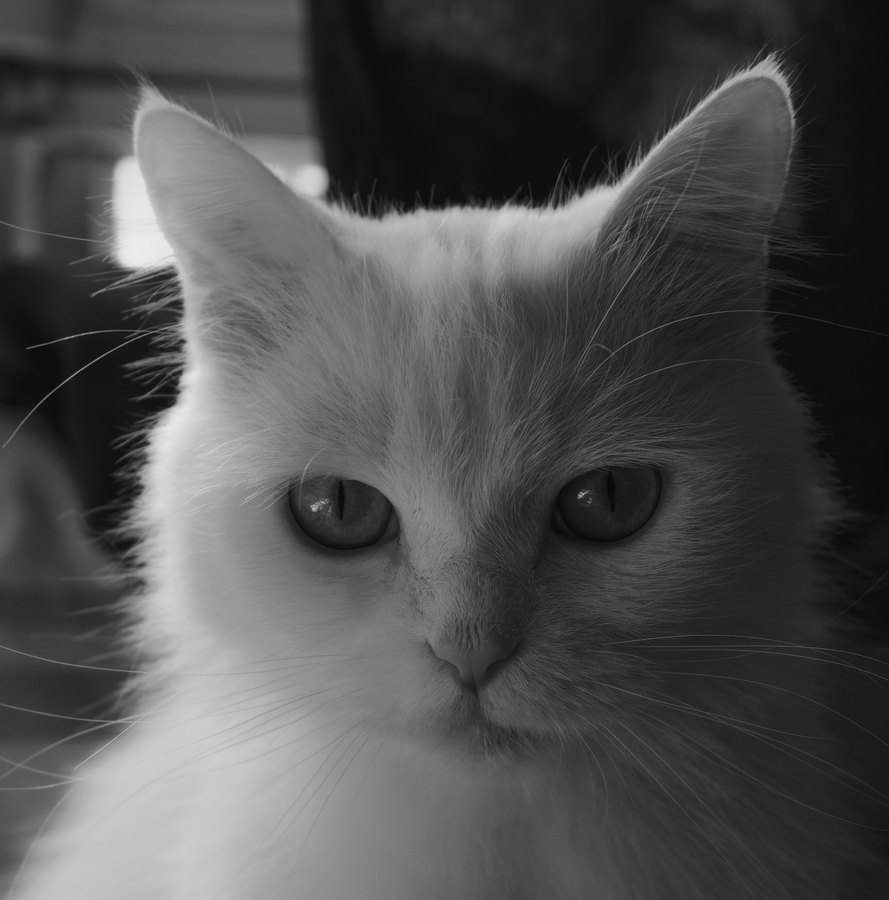
Kodak BW400CN
Kodak's chromogenic black and white film, with a warm sepia-leaning base.
1 rendering
Kodak E100GX
Warm-balanced Ektachrome, made for portraits and skin under transparency contrast.
1 rendering
Kodak Ektachrome 100VS
Kodak's answer to Velvia: Very Saturated Ektachrome with a cooler, bluer bias.
2 renderings
Kodak Ektar 100
The most saturated colour negative film Kodak makes — slide-film punch with negative latitude.
1 rendering
Kodak Elite 100 X-Pro
Elite Chrome cross-processed in C-41 — shifted, clashing colour by design.
1 rendering
Kodak Elite Chrome 200
Consumer Ektachrome at ISO 200 — cool, contrasty and cheap.
1 rendering
Kodak Elite Chrome 400
The fast Elite Chrome: grainier and flatter than the 200.
1 rendering
Kodak Elite Color 200
Kodak's saturated consumer negative — Gold's warmth with the contrast pushed up.
1 rendering
Kodak Elite Color 400
The 400-speed Elite Color: same golden warmth, more grain and contrast.
1 rendering
Kodak Elite Extracolor 100
Elite Chrome with the saturation deliberately overdriven.
1 rendering
Kodak HIE Infrared
True infrared film: white foliage, black skies, glowing halation around highlights.
1 rendering
Kodak Kodachrome 200
The fast Kodachrome — the family look with grain and slightly cooler colour.
1 rendering
Kodak Kodachrome 25
The slowest and finest-grained Kodachrome, and the sharpest colour film of its era.
1 rendering
Kodak Kodachrome 64
The most famous colour film ever made — dense reds, restrained blues, archival permanence.
2 renderings
Kodak Portra 160
The finest-grained Portra: cooler, flatter and more neutral than its 400-speed sibling.
14 renderings
Kodak Portra 400
The default modern portrait film: warm, forgiving skin tones and a very long highlight roll-off.
16 renderings
Kodak Portra 800
Portra colour rendering at ISO 800, with more contrast and visible grain.
5 renderings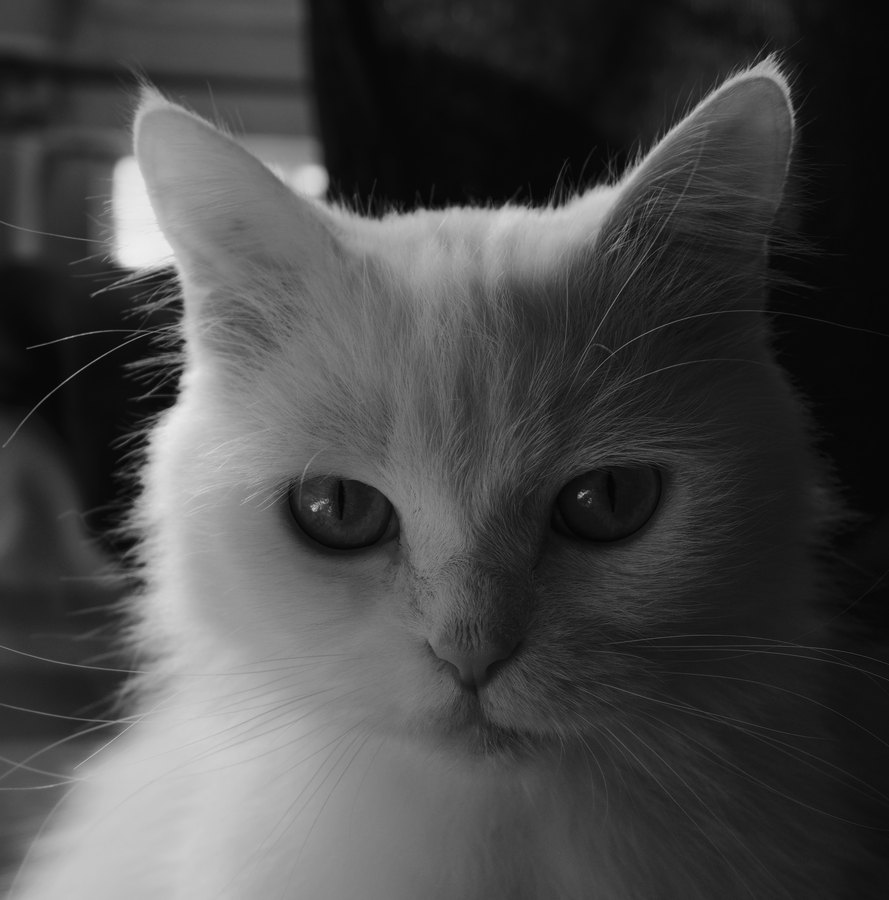
Kodak T-Max 100
Extremely fine-grained tabular film — close to grainless at normal enlargements.
1 rendering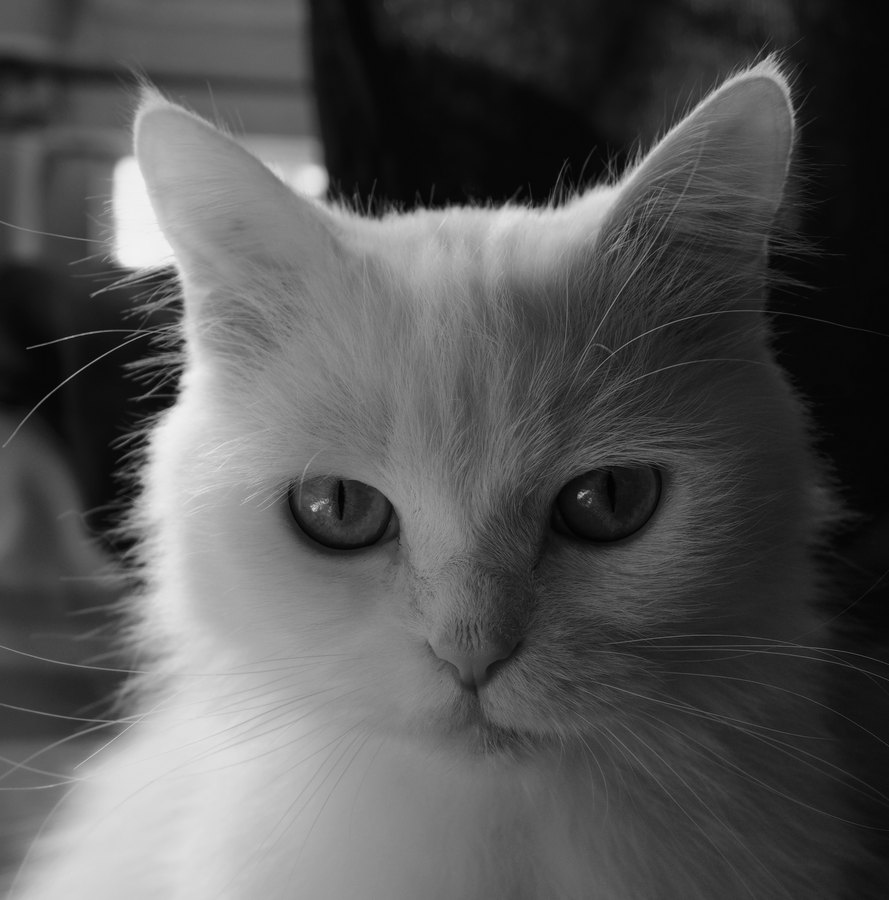
Kodak T-Max 3200
The fast T-grain film — big grain, low contrast, built for the dark.
6 renderings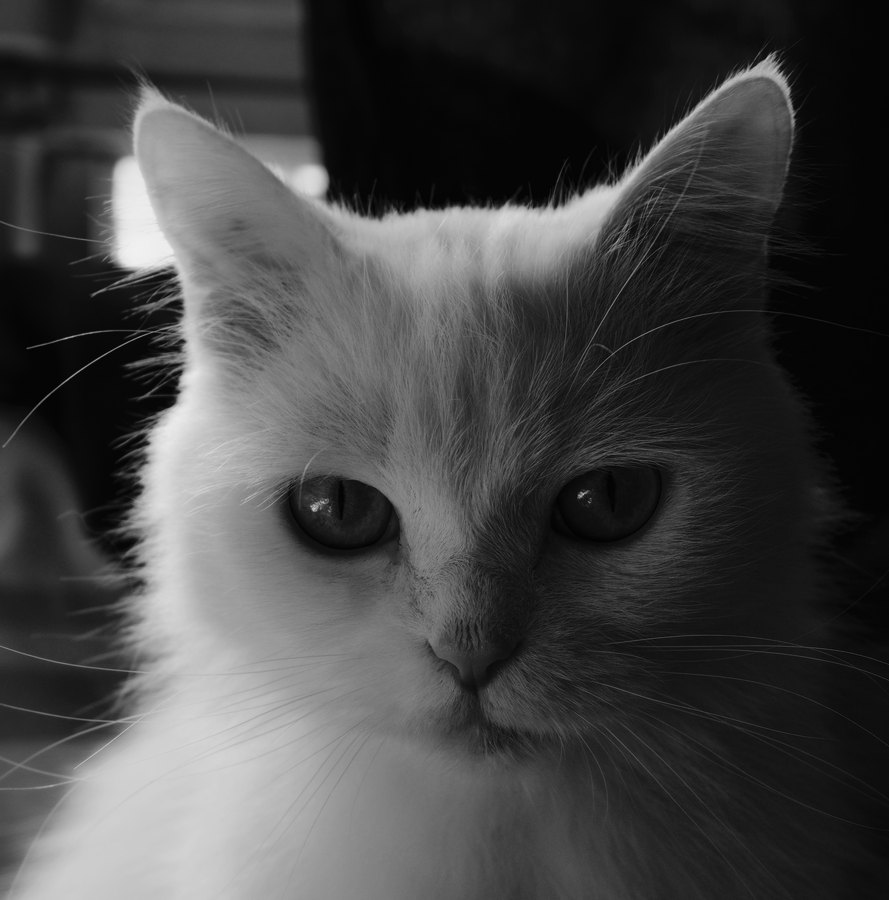
Kodak T-Max 400
Modern tabular-grain film: far finer grain than Tri-X at the same speed.
1 rendering
Kodak Tri-X 400
The definitive photojournalism film: gritty grain, deep blacks, enormous latitude.
6 renderings